Water can slowly damage your home. It can make your roof leak, your walls wet, and your paint peel. If you do not fix these problems early, they can become expensive. That is why water proofing is important.
In Nepal, heavy rain during the monsoon can cause water to enter roofs, walls, terraces, basements, and bathrooms. Good water proofing helps stop leaks, damp walls, mold, and cracks. It also keeps your home strong, safe, and dry for many years.
There are many water proofing methods and materials for different parts of a building. Choosing the right solution can protect your property and reduce repair costs. In this guide, you will learn what water proofing is, why it is important, the best water proofing methods, common products, prices in Nepal, and how to choose the right solution for your home or business.
What is Water Proofing?
Water proofing is a critical process used to safeguard buildings and structures from the damaging effects of water infiltration. It involves applying specialized materials, such as waterproofing chemicals, membranes, and compounds, to the surfaces of your property.
These materials create an impermeable barrier that prevents water from seeping through walls, roofs, floors, and foundations. The primary goal of waterproofing is to ensure that moisture does not compromise the structural integrity or living conditions of a building.
Water can be one of the most destructive forces when it comes to property damage. It can weaken the structure of the building, cause the growth of mold and mildew, and even lead to severe health issues due to increased humidity and dampness. In addition, water infiltration can cause paint and finishes to peel, rust metal parts, and create unwanted cracks and stains on surfaces.
In areas that experience heavy rainfall, high humidity, or fluctuating weather conditions, water proofing is especially important. Regions like Nepal, which undergo a seasonal monsoon with torrential rains, face unique challenges.
During the monsoon season, rainfall can be relentless, putting any unprotected building at risk of water penetration. If a building is not properly water proofed, the consequences can be severe. This includes damage to walls, roofs, foundations, and interiors, which may lead to expensive repairs and a reduced lifespan of the property.
The need for effective waterproofing solutions becomes even more apparent when you consider the materials that make up the structure. Concrete, bricks, and wood, although durable, are vulnerable to water damage over time, which can weaken the overall integrity of the building. Without proper protection, water can infiltrate these materials, causing them to deteriorate faster.
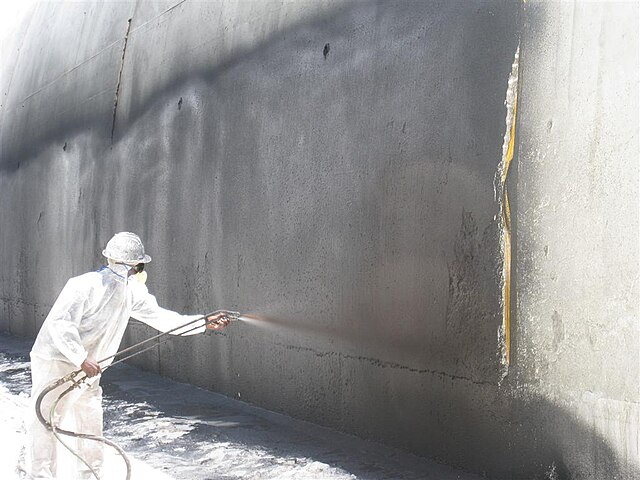
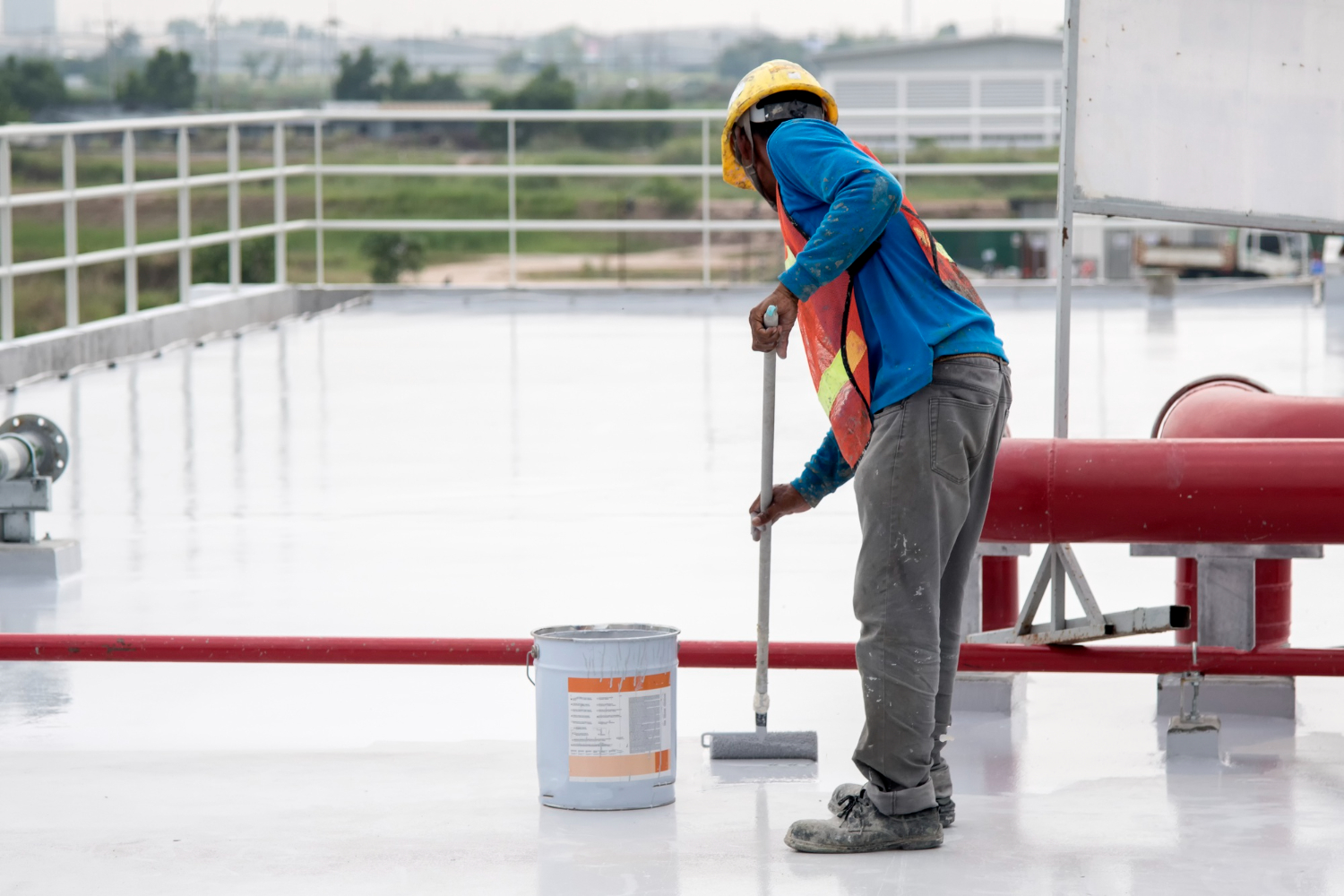
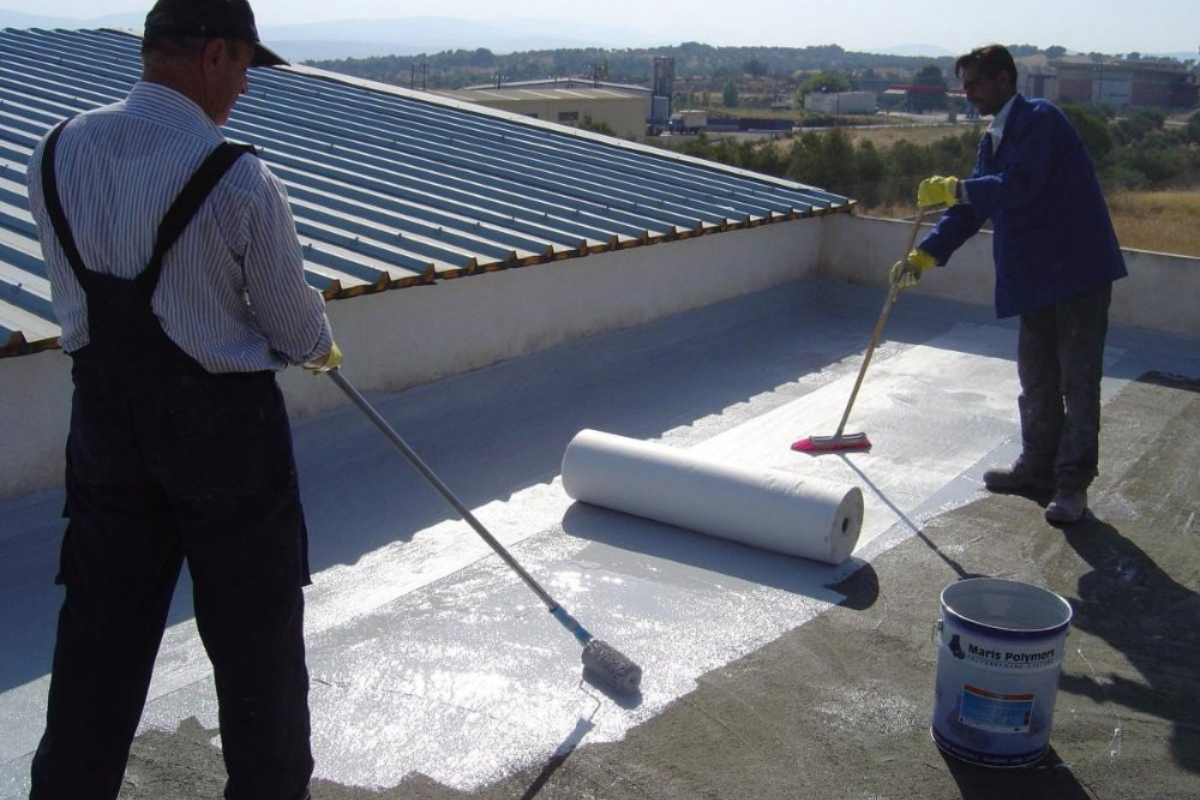
Waterproofing chemicals, like specialized waterproofing agents and compounds, are often used to treat specific areas, ensuring that surfaces are sealed properly and water cannot penetrate. Waterproofing membranes, such as liquid coatings or sheet membranes, can be applied over surfaces to provide an additional layer of protection, especially for flat roofs, basements, or terraces that are prone to water accumulation.
In Nepal, the monsoon season can cause significant damage to buildings that are not adequately prepared. Leaking roofs, damp walls, and water seepage into the foundation are common issues during these months.
However, by investing in professional water proofing services, property owners can proactively prevent these problems. A properly applied waterproofing system ensures that water stays on the outside, protecting both the aesthetics and structural integrity of the property.
Get more ideas through wilkipedia
WHY IS WATERPROOFING IMPORTANT IN NEPAL?
Nepal’s diverse and often unpredictable weather conditions, particularly the intense monsoon season, make waterproofing a critical consideration for all types of properties, from residential homes to commercial buildings.
The combination of heavy rainfall and high humidity can lead to a range of issues that, if left unchecked, can cause significant damage and reduce the lifespan of a property. Here’s why proper waterproofing is crucial:
-
Water Leaks Through Roof, Walls, or Floors: Nepal’s monsoon season often brings torrential downpours that can easily penetrate unprotected roofs, walls, and floors. Over time, this water intrusion can result in leaks that damage interiors, flooring, and foundations, leading to expensive repairs.
-
Mold and Mildew Growth: The excess moisture caused by water infiltration encourages the growth of mold and mildew, which can create an unhealthy indoor environment. This not only damages the structure but also poses serious health risks to the residents, particularly those with allergies or respiratory conditions.
-
Structural Damage from Prolonged Exposure to Water: Prolonged exposure to water can weaken building materials such as concrete, brick, and wood. This deterioration compromises the overall structural integrity of your property and can lead to costly repairs or, in severe cases, safety hazards.
-
Paint and Finish Damage: Water penetration can cause the paint on walls and ceilings to peel, crack, and stain, leaving your property looking unsightly and unkempt. Without proper waterproofing, the constant exposure to moisture will require frequent repainting and maintenance, adding to long-term costs.
-
Increased Energy Costs: Dampness caused by water leaks can result in poor insulation, causing your property to lose heat in the winter and remain warm in the summer. This can lead to higher energy bills as you try to maintain a comfortable temperature inside.
-
Foundation Damage: Water that seeps into the foundation of a building can cause cracks and weakening over time. This can lead to uneven floors, door misalignments, and in the worst case, foundation failure, which requires major repair work.
-
Protection of Property Value: Properties that are not properly waterproofed can lose value due to the visible damage and the costs associated with repairs. Waterproofing helps maintain the aesthetic and functional integrity of your property, ensuring it remains a sound investment over time.
Investing in effective waterproofing solutions not only helps to prevent these issues but also contributes to the long-term durability and safety of your property.
By choosing the right waterproofing materials and techniques, you can avoid costly repairs and preserve your building’s structure, value, and comfort. Whether it’s waterproofing your roof, walls, or foundation, the right solution ensures a safe, dry, and healthy living or working environment for years to come.
Signs You Need Waterproofing
Water damage often starts with small signs. If you notice these problems early, you can stop bigger damage and avoid costly repairs. These signs may mean your home needs water proofing to keep water out and protect the building.
Damp or Wet Walls
Walls that stay damp or feel wet are one of the first signs of water seepage. This usually happens after heavy rain or because moisture enters through small cracks. Proper water proofing can help keep walls dry and prevent further damage.
Paint Peeling or Bubbling
If paint starts peeling, cracking, or bubbling, water may be trapped behind the wall. Moisture weakens the paint and surface over time. A good water proofing solution helps protect the wall from future leaks.
Water Stains on Ceilings
Brown or yellow stains on the ceiling often mean water is leaking from the roof or the floor above. These stains should not be ignored because the leak can spread and damage the structure.
Mold and Mildew Growth
Mold and mildew grow in places with too much moisture. They often appear as black, green, or white patches on walls and ceilings. Besides damaging your home, they can also affect indoor air quality. Water proofing helps reduce excess moisture and creates a healthier living space.
Cracks in Walls or Roof
Small cracks in walls, roofs, or terraces can let rainwater enter the building. During Nepal’s monsoon season, these cracks may become larger and lead to water leakage. Sealing cracks and applying the right water proofing method can help protect the structure.
Water Leaks During Rain
If you notice water dripping from the roof, windows, or walls when it rains, your property may need water proofing. Even a small leak can grow into a bigger problem if it is left untreated.
Damp Basement or Terrace
A basement or terrace that stays wet after rain is another common warning sign. Standing water and moisture can weaken concrete over time. Using the right waterproofing system helps protect these areas from long-term water damage.
Bad Smell Indoors
A musty or damp smell inside your home often means hidden moisture is trapped in the walls or floors. This can happen even when you cannot see water. Finding the source early and improving water proofing can help prevent further damage.
Common Waterproofing Problems
Many homes and commercial buildings develop water problems over time. Heavy rain, poor drainage, cracks, and old construction materials can allow water to enter the building. Knowing these common waterproofing problems can help you find the right water proofing solution before the damage becomes worse.
Roof Water Leakage
Roof leaks are one of the most common problems, especially during the monsoon season. Damaged roofing materials, cracked surfaces, or blocked drains can let rainwater enter the building. If left untreated, roof leakage can damage ceilings, walls, and electrical systems.
Wall Seepage
Water seepage through exterior walls is a common issue in Nepal. Small cracks and damaged plaster allow moisture to pass through the walls, causing damp patches, peeling paint, and mold growth. Proper wall water proofing helps protect the building from long-term moisture damage.
Terrace Water Leakage
Terraces are exposed to sunlight, rain, and changing weather throughout the year. Over time, cracks can develop, allowing water to seep into the concrete. Effective terrace water proofing helps prevent leaks and extends the life of the structure.
Basement Water Seepage
Basements often collect moisture because they are below ground level. Poor drainage and groundwater pressure can cause water to enter through the floor or walls. Basement waterproofing helps keep the area dry and reduces the risk of structural damage.
Bathroom Water Leakage
Bathrooms are always exposed to water. Damaged tiles, broken grout, or failed waterproof layers can allow water to leak into nearby rooms. Proper bathroom water proofing helps prevent hidden leaks and protects surrounding walls and floors.
Ceiling Dampness
Water stains, damp spots, or peeling paint on the ceiling usually indicate a leak from the roof, terrace, or upper floor. Finding the source early and applying the right water proofing method can help stop further damage.
Foundation Moisture Problems
Water around the foundation can slowly weaken concrete and create cracks. Over time, this may affect the stability of the building. A reliable waterproofing system helps keep the foundation dry and improves the durability of the structure.
Cracks Around Windows and Doors
Small gaps around windows and doors can let rainwater enter the building. This often causes damp walls and indoor moisture. Sealing these gaps and using suitable water proofing materials can reduce water penetration and improve protection.
Water Proofing Price in Nepal (2026)
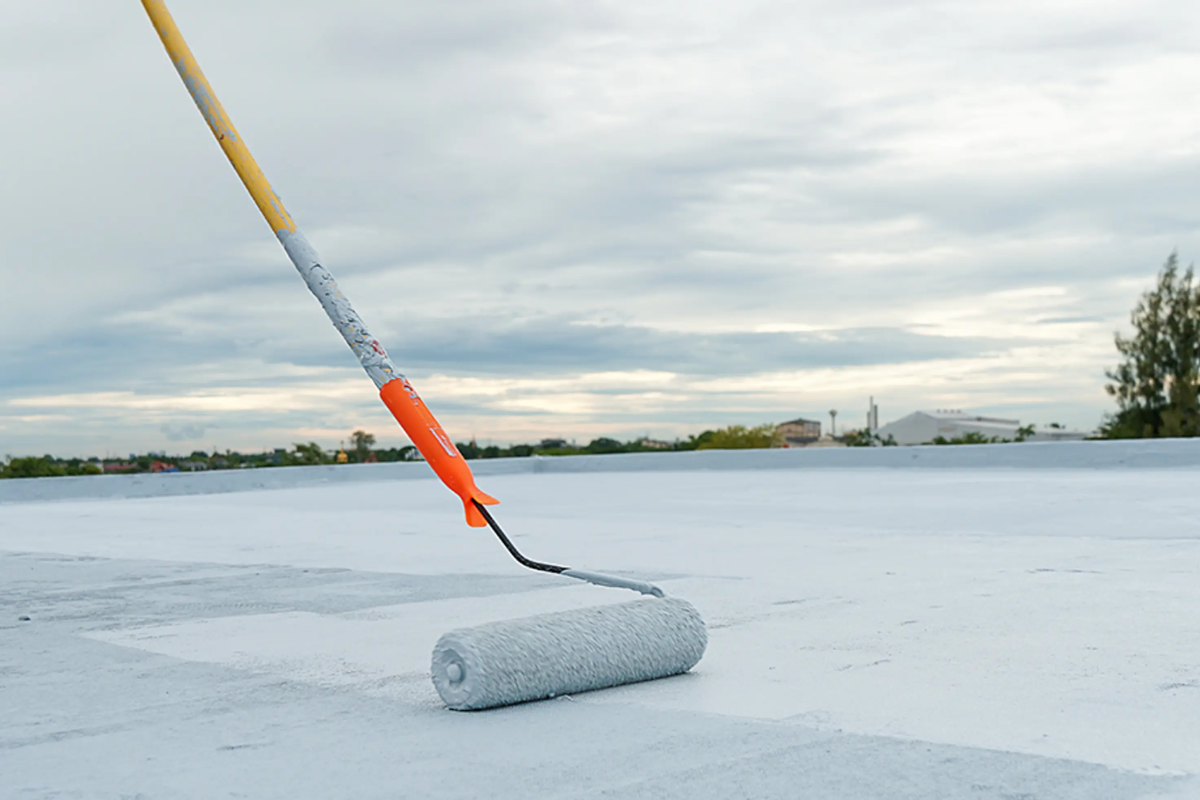
The cost of water proofing depends on the area, the condition of the surface, the waterproofing method, and the materials used. Roofs with existing cracks or severe water leakage may require additional repairs before waterproofing begins. The table below shows estimated water proofing prices in Nepal for 2026.
| Water Proofing Service | Estimated Price (2026) |
|---|---|
| Roof Water Proofing | Starts from NPR 80–250 per sq. ft. |
| Terrace Water Proofing | Starts from NPR 100–300 per sq. ft. |
| Bathroom Water Proofing | Starts from NPR 12,000–35,000 per bathroom |
| Basement Waterproofing | Starts from NPR 150–400 per sq. ft. |
| Exterior Wall Water Proofing | Starts from NPR 90–250 per sq. ft. |
| Interior Wall Water Proofing | Starts from NPR 70–200 per sq. ft. |
| Crack Repair and Injection Grouting | Starts from NPR 300–1,000 per running ft. |
| Water Tank Waterproofing | Starts from NPR 8,000–30,000 per tank |
What Affects Water Proofing Cost?
Several factors can change the final water proofing price.
- The total area that needs waterproofing.
- The type of waterproofing material or waterproofing membrane used.
- The condition of the roof, wall, terrace, or basement.
- The number of cracks or water leakage points.
- Labour costs and project complexity.
- Surface preparation and repair work before waterproofing.
Getting a professional inspection is the best way to determine the right water proofing method and the exact cost for your property.
Water Proofing Methods in Nepal
Several water proofing methods are used in Nepal, each offering its own set of benefits. Let’s dive into the most popular water proofing solutions used to protect buildings.
Traditional Water Proofing Methods
- Water Proofing Cement: This is a cost-effective and commonly used method for protecting exterior walls, floors, and roofs. Water proofing cement is mixed with special waterproofing chemicals to create a durable, water-resistant surface.
- Bituminous Coatings: A thick, tar-like coating is applied to the exterior surfaces of a building, especially the roof and foundation, to prevent water from entering.
- Polyurethane Coatings: These waterproofing chemicals form a flexible layer that prevents water infiltration while remaining durable over time.
Modern Water Proofing Methods
- Liquid Water Proofing Membranes: Liquid membranes are a popular choice for water proofing roofs and walls. Once applied, they form a seamless, durable layer that protects the surface from water damage.
- Polyurethane Water Proofing Membranes: A flexible and long-lasting waterproofing membrane, ideal for high-traffic areas like terraces or balconies. It offers excellent protection against water penetration.
- Injection Grouting: A technique used to seal cracks or leaks in concrete structures by injecting water proofing compounds into the gaps, preventing water from entering.
Cement Waterproofing vs Polyurethane Waterproofing
Both cement waterproofing and polyurethane waterproofing are widely used to protect buildings from water damage. Each method has its own advantages and is suitable for different parts of a building. The table below compares the two to help you understand which option is better for your project.
| Feature | Cement Waterproofing | Polyurethane Waterproofing |
|---|---|---|
| Best For | Bathrooms, water tanks, basements, and interior walls | Roofs, terraces, balconies, and exposed concrete surfaces |
| Flexibility | Low to moderate | High |
| Crack Resistance | Good for small cracks | Excellent for hairline and moving cracks |
| Water Resistance | Good | Excellent |
| UV Resistance | Moderate | High |
| Durability | 5–10 years (depending on maintenance) | 10–15 years or more (depending on maintenance) |
| Application | Mixed with cement and applied as a coating | Applied as a liquid membrane that forms a seamless layer |
| Maintenance | May need more frequent maintenance | Requires less maintenance over time |
| Cost | More affordable | Higher initial cost but longer-lasting |
| Suitable for Nepal’s Monsoon | Good | Excellent |
Water Proofing Products and Materials
When it comes to water proofing, choosing the right materials is crucial for achieving long-lasting results. Here’s a rundown of the most commonly used water proofing products in Nepal:
- Water Proofing Chemical for Roof: Specialized waterproofing chemicals designed to protect your roof from water damage. These chemicals are often applied as a liquid or spray and form a protective coating that prevents leaks and moisture infiltration.
- WaterProofing Membranes: Thin sheets of waterproofing material applied to surfaces to create an impenetrable barrier. Waterproofing membrane solutions are ideal for high-risk areas like roofs, basements, and bathrooms.
- WaterProofing Compound: A blend of materials designed to be mixed with cement, making it more water-resistant. This water proofing compound is commonly used in foundation walls, concrete floors, and other exposed surfaces.
- Water Proofing Sheet: A flexible waterproofing membrane sheet that is commonly used to protect flat roofs, balconies, and basements from water ingress.
Factors Affecting Water Proofing Price in Nepal
The waterproofing price varies based on several factors, including the size of the area to be treated, the type of water proofing material used, and the complexity of the job. Here are some of the main factors that affect water proofing prices in Nepal:
- Area to be Waterproofed: Larger areas such as roofs, basements, and walls require more materials and labor, which can increase the overall cost.
- Type of Water Proofing Material: Different wate proofing chemicals, membranes, and compounds come at different price points. For example, high-quality waterproofing membrane sheets are more expensive than traditional waterproofing cement.
- Complexity of the Work: Areas that require additional work, such as sealing cracks or reinforcing weak spots, may cost more to treat.
For example, the waterproofing membrane price will vary based on the thickness and durability of the membrane chosen. Be sure to get a quote from a professional water proofing service to determine the best option for your needs.
Water Proofing Services in Kathmandu and Nepal
If you’re looking for water proofing services in Kathmandu or throughout Nepal, Repairing Service Nepal provides reliable and affordable solutions for all your waterproofing needs. Our expert technicians specialize in:
- Roof waterproofing to prevent leaks and water damage.
- Basement waterproofing to protect foundations from moisture.
- Wall waterproofing to prevent seepage and dampness.
- Terrace waterproofing for long-term protection.
- Crack repairs and grouting to seal leaks.
- Moisture control to prevent mold and mildew.
We use only the highest quality water proofing products and chemicals, ensuring your property remains safe, dry, and protected from the elements.
Why Choose Repairing Service Nepal for Water Proofing?
At Repairing Service Nepal, we pride ourselves on delivering exceptional water proofing services across Kathmandu and Nepal. Here’s why we’re the trusted choice for many homeowners and businesses:
-
Expert Technicians: Our team consists of highly skilled professionals with years of experience in waterproofing services. We use the latest techniques and materials to provide effective, long-lasting protection for your property.
-
High-Quality Materials: We use only the best waterproofing compounds, membranes, and chemicals to ensure superior durability and protection against water infiltration.
-
Competitive Pricing: Our waterproofing services are priced competitively, allowing you to enjoy high-quality solutions without breaking the bank.
-
Fast, Reliable Service: We understand the urgency of waterproofing issues and strive to complete every job promptly, with minimal disruption to your daily life.
-
Customized Solutions: We offer tailored waterproofing services based on the specific needs of your property, ensuring the most effective solution for your situation.
-
Comprehensive Warranty: We offer a comprehensive warranty on our waterproofing services, giving you peace of mind that you’re covered should any issues arise after the job is completed.
SCHEDULE YOUR WATERPROOFING INSPECTION TODAY!
Don’t let water damage compromise the safety and value of your property. Act now to protect your home or business from the potentially costly and destructive effects of water infiltration. Contact Repairing Service Nepal today to schedule a comprehensive waterproofing inspection.
Our team of experts will thoroughly assess your property, identify vulnerable areas, and provide you with a tailored solution that meets your specific needs.
Whether you require roof waterproofing, basement waterproofing, or any other waterproofing service, we will recommend the most effective materials and methods to keep your property dry and secure.
With our professional inspection and expert advice, you can prevent costly repairs and ensure that your building is well-prepared for the rainy seasons.
Don’t wait for the damage to happen—get ahead of the problem and safeguard your property with the best waterproofing services in Nepal. Reach out to Repairing Service Nepal today for a quick estimate and get started on protecting your property with our trusted waterproofing solutions.
Contact us today:
- Phone: 01-5921330, 9802302562
- Email: info@repairingservicenepal.com
- Website: www.repairingservicenepal.com
- Address: Raja Janak Marg 32, Kathmandu
Conclusion
Waterproofing is a vital step in protecting your property from the harmful effects of water damage. Whether it’s roof waterproofing, basement waterproofing, or applying waterproofing paint to your walls, the right waterproofing solution ensures your property remains safe from leaks, mold, and structural damage.
By choosing the right waterproofing materials, you can protect your building from water infiltration, ensuring its long-term durability and safety.
For the best waterproofing services in Nepal, trust Repairing Service Nepal. Our experienced team provides high-quality, affordable waterproofing solutions tailored to your needs. Schedule your waterproofing inspection today and let us help you keep your property dry, secure, and protected from the damaging effects of water.
Frequently Asked Questions (FAQs)
1. What is water proofing?
Water proofing is the process of protecting a building from water leaks and moisture. It uses special materials and methods to stop water from entering roofs, walls, terraces, basements, and bathrooms.
2. Why is water proofing important in Nepal?
Nepal receives heavy rainfall during the monsoon season. Without proper water proofing, rainwater can cause roof leaks, damp walls, mold growth, peeling paint, and structural damage. Waterproofing helps keep your property safe and dry.
3. Which areas of a building need water proofing?
The most common areas include roofs, terraces, bathrooms, basements, exterior walls, water tanks, balconies, and foundations. These areas are more likely to be exposed to water and moisture.
4. How long does water proofing last?
The lifespan of water proofing depends on the material used, weather conditions, and maintenance. A properly installed waterproofing system can last between 5 and 15 years or longer with regular inspections.
5. What are the signs that my home needs water proofing?
Common signs include water leakage, damp walls, peeling paint, ceiling stains, mold growth, musty smells, and cracks in walls or roofs. These problems may indicate that moisture is entering your property.
6. What is the average water proofing price in Nepal?
The water proofing price in Nepal depends on the area, waterproofing method, materials used, and the condition of the surface. Small projects cost less, while larger areas or buildings with severe leakage may require a higher budget.
7. Can old buildings be waterproofed?
Yes. Older homes and commercial buildings can be waterproofed after a proper inspection. Cracks, damaged surfaces, and existing leaks are usually repaired before the waterproofing materials are applied.
8. Which water proofing method is best?
There is no single method that works for every building. The best water proofing solution depends on the location of the leak, the building material, and the level of water exposure. Common methods include cementitious waterproofing, liquid waterproofing membranes, polyurethane coatings, and injection grouting.