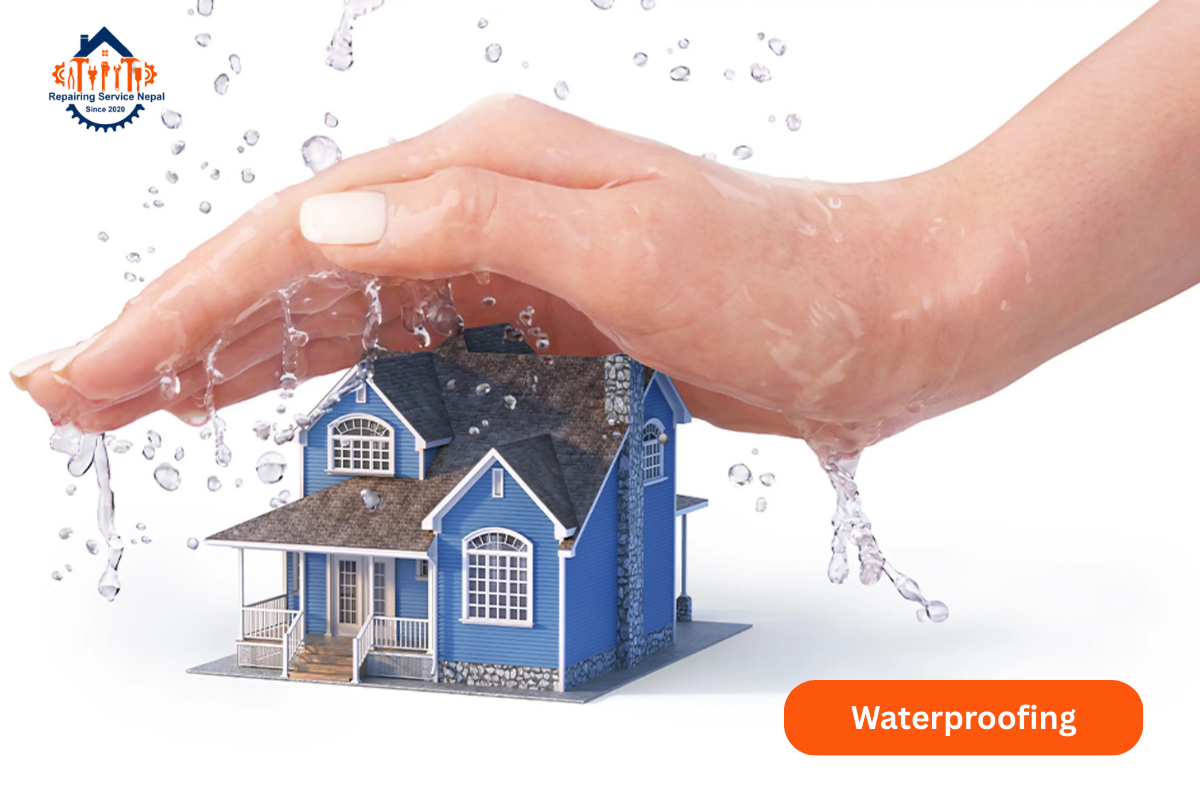
When you think about protecting your home, you might consider locks, security systems, or even insurance. But there’s one critical layer of defense that many homeowners overlook—waterproofing. Water damage is sneaky, destructive, and costly, often creeping in silently until it causes significant structural problems. That’s why importance of waterproofing is not just an option; it’s a necessity.
Owning a home is one of life’s biggest investments, and protecting that investment should always be a priority. While homeowners often think about renovations, aesthetics, and regular maintenance, there’s one crucial aspect that is frequently overlooked—importance of waterproofing. Many assume that their home is safe from water damage, but in reality, even the smallest leaks or dampness can lead to major structural and health issues over time. Waterproofing is not just about preventing water from entering your home; it’s about ensuring safety, comfort, and long-term financial savings.
What is Waterproofing?
The importance of waterproofing lies in the fact that it is a critical investment in the longevity and safety of your home, involving the strategic application of specialized protective layers and materials to walls, roofs, basements, and other vulnerable areas. Understanding the importance of waterproofing, this essential process acts as a powerful shield against water infiltration, which can otherwise lead to structural damage, mold growth, and costly repairs. Waterproofing can be implemented during the initial construction phase to ensure long-term protection or added later as a proactive preventive measure or corrective solution.
The techniques are diverse, ranging from advanced waterproof coatings and durable membranes to sophisticated drainage systems and high-quality sealants, each designed to address specific water-related challenges. Regardless of the method chosen, the importance of waterproofing remains clear: to safeguard your home, maintain its structural integrity, and provide you and your family with a safe, dry, and comfortable living environment for years to come. With proper waterproofing, your investment in your home transforms into peace of mind, protecting one of your most valuable assets against the relentless impact of water damage.
Protecting Structural Integrity
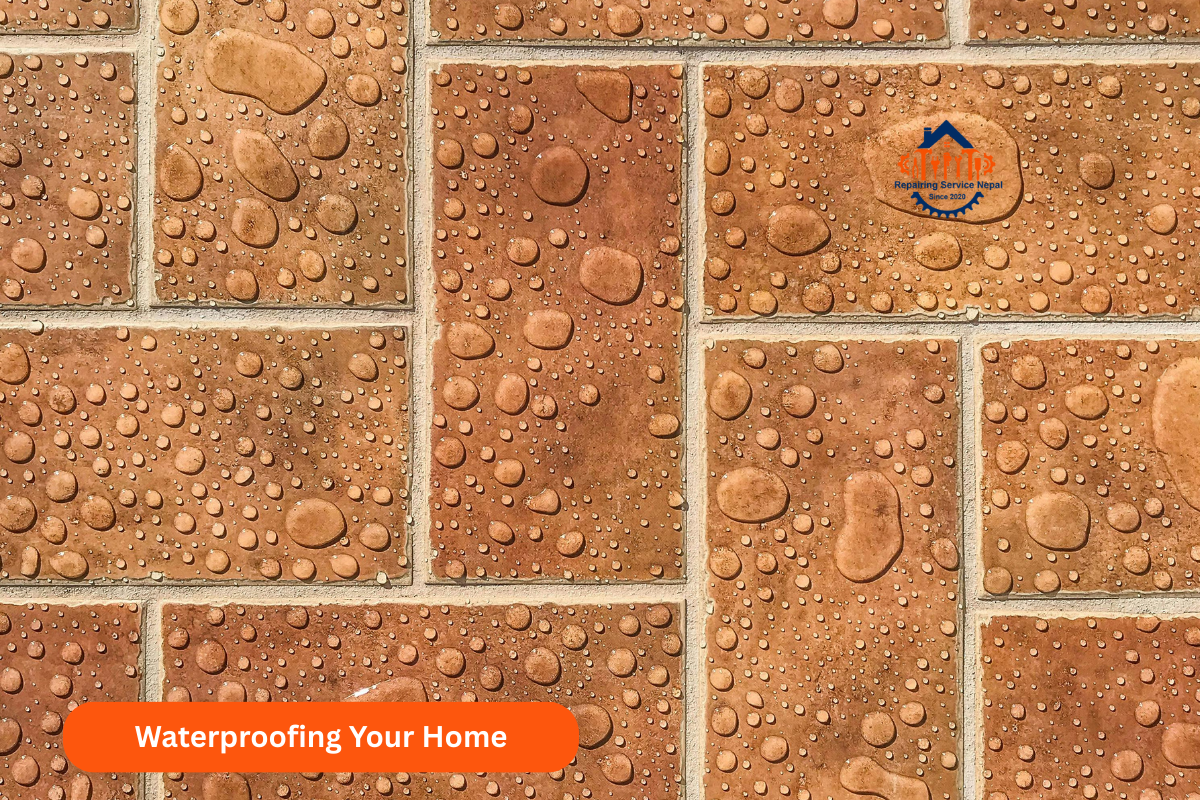
Water is one of nature’s most relentless and powerful forces, capable of causing serious damage over time if not properly managed. Even a small, persistent leak can gradually weaken the foundation of your home, silently undermining its strength and durability. Cracks in walls, dripping ceilings, and damp or musty basements are not just minor inconveniences—they are warning signs that water has found a way inside, slowly compromising the structural integrity of your property. If these issues are ignored, they can escalate into major problems, leading to costly repairs, mold infestations, and in extreme cases, dangerous structural failures that threaten the safety of your family.
Proper waterproofing serves as a vital safeguard against these risks, creating a protective barrier that keeps water out and ensures that your home remains solid, stable, and secure. By investing in high-quality waterproofing solutions—whether during construction or as a preventive or corrective measure—you are not only preserving the value of your property but also securing peace of mind. It is a long-term investment that shields your home from the destructive forces of water, prevents unnecessary expenses, and maintains a healthy, safe, and comfortable living environment for you and your loved ones.
In essence, waterproofing is more than just a protective measure; it is a commitment to the longevity, safety, and resilience of the place you call home.
Preventing Mold and Health Issues
Moisture is a silent but persistent threat that creates the perfect environment for mold, mildew, and fungi to thrive, especially in damp areas like basements, bathrooms, and poorly ventilated corners of your home. These unwelcome invaders do more than damage walls, floors, and other surfaces—they pose serious health risks, triggering asthma, allergies, and chronic respiratory problems that can affect every member of your household. Left unchecked, the presence of moisture and these microorganisms can significantly compromise both the safety and comfort of your living space.
Investing in proper waterproofing acts as a powerful defense, not only shielding your home from water-related damage but also promoting a cleaner, healthier environment where your family can live, breathe, and thrive with peace of mind. By taking proactive measures against moisture, you are safeguarding both your property and the well-being of your loved ones for years to come.
Financial Benefits: Saving Money in the Long Run
Many homeowners mistakenly view importance of waterproofing as an unnecessary expense, but in reality, it is one of the most intelligent financial decisions you can make for your property. The costs of repairing a cracked foundation, replacing water-damaged furniture, or dealing with toxic mold infestations can quickly escalate into thousands of dollars.
Waterproofing acts as a proactive safeguard, preventing these issues before they occur and protecting both your home and your wallet. By investing in this essential measure, you dramatically reduce the risk of expensive future repairs and maintain the long-term value of your property. Think of importance of waterproofing as a form of insurance for your home—an upfront investment that saves you from substantial financial and emotional stress later, ensuring your house remains safe, dry, and secure for years to come.
Increasing Property Value
If you ever consider selling your home, waterproofing can become a powerful selling point that sets your property apart in the market. Homes that are free from leaks, dampness, and mold not only look more appealing but also inspire confidence in potential buyers.
A well-protected house signals careful maintenance and long-term durability, making it far more attractive to serious buyers. This assurance can translate into a higher market value and a faster sale, as buyers are willing to invest in a home that requires less immediate repair or maintenance. By investing in waterproofing, you are not just protecting your current living space—you are also enhancing the future marketability and financial value of your home, giving you an undeniable advantage when it comes time to sell.
Comfort and Peace of Mind
There’s nothing more stressful than waking up to a leaky ceiling during a heavy rainstorm or discovering water stains slowly spreading across your basement walls. These unexpected intrusions not only disrupt your daily life but can also lead to costly repairs and long-term damage if left unchecked.
Proper waterproofing provides a reliable shield against these issues, ensuring that your home remains safe, dry, and structurally sound regardless of the weather outside. Beyond protecting your property, importance of waterproofing is, it offers priceless peace of mind, allowing you to fully enjoy your living space without the constant anxiety of potential water damage. It transforms your home into a comfortable, secure sanctuary where you and your family can relax, confident that every wall, floor, and ceiling is safeguarded against moisture-related problems. By investing in waterproofing, you are not only preserving your home but also enhancing the quality of your everyday life, turning your house into a worry-free environment where comfort and safety come first.
Common Areas That Need Waterproofing
– Roof: The importance of waterproofing your roof cannot be overstated—it prevents rainwater from seeping through, avoids ceiling stains and structural damage, and extends the overall life of your home.
– Basement: Recognizing the importance of waterproofing your basement helps protect the foundation from water intrusion, keeping it dry, mold-free, and safe from costly repairs.
– Bathrooms and Kitchens: The importance of waterproofing in high-moisture areas like bathrooms and kitchens lies in preventing damage to tiles, walls, cabinetry, and plumbing fixtures while preserving functionality and aesthetics.
– Balconies and Terraces: Understanding the importance of waterproofing balconies and terraces ensures protection from standing water and seepage, preventing leaks from reaching lower floors and weakening the structure.
– Exterior Walls: The importance of waterproofing exterior walls lies in shielding them from rain and moisture, preventing cracks, damp patches, and long-term structural damage while maintaining your home’s visual appeal.
Importance Of Waterproofing In Construction
The importance of waterproofing in construction goes far beyond simply keeping a building dry, highlighting why it is essential for every building project. Recognizing the importance of waterproofing, it is one of the most crucial steps in protecting the integrity and longevity of any structure, whether residential, commercial, or industrial. When buildings are not properly waterproofed, they face serious risks such as water seepage, damp walls, structural weakening, corrosion of steel reinforcements, and the growth of harmful mold and mildew. Over time, these issues not only compromise safety but also lead to costly repairs and reduced property value.
By understanding the importance of waterproofing, builders can implement effective solutions during the early stages of construction to prevent leaks, safeguard foundations, and ensure that interiors remain clean, comfortable, and healthy. Furthermore, waterproofing contributes to energy efficiency, as dry walls and insulated spaces maintain better temperature control. From basements and roofs to bathrooms and balconies, every part of a building benefits from proper protection against moisture. In essence, prioritizing the importance of waterproofing is an investment in durability, sustainability, and long-term savings, making it a cornerstone of smart and reliable construction practices.
DIY Waterproofing Made Easy
Ever had that sinking feeling after spotting damp patches on your wall? You’re not alone! Water leakage is one of the most common (and annoying) issues homeowners face. The good news? You can fix it yourself with a little know-how and effort. This waterproofing guide will walk you through everything you need to know about DIY waterproofing—from tools to techniques and even common mistakes to avoid—while helping you understand the importance of waterproofing for keeping your home dry and damage-free.
Types of Waterproofing Methods
1. Cementitious Waterproofing
One of the easiest methods, ideal for bathrooms and basements, this approach highlights the importance of waterproofing small spaces to prevent long-term moisture issues. It involves mixing cement-based materials with additives to create a waterproof layer.
2. Liquid Membrane Waterproofing
This method uses a liquid coating that forms a rubber-like membrane once it dries. It’s perfect for roofs and exterior walls and demonstrates the importance of waterproofing exposed surfaces for enhanced durability.
3. Bituminous Coating
A popular method known for its durability and cost-effectiveness. Commonly used for concrete foundations and rooftops.
4. Polyurethane Liquid Membrane
A high-end option that provides superior flexibility and resistance. It’s great for flat roofs and exposed areas.
Tools and Materials You’ll Need for DIY Waterproofing
Essential Tools
-
- Paint roller or brush
- Trowel or scraper
- Wire brush
- Caulking gun
- Protective gloves and goggles
Recommended Materials
- Waterproofing liquid or cement
- Crack sealant
- Primer
- Reinforcing fabric (for extra strength)
- Cleaning agents
Step-by-Step DIY Waterproofing Process
Step 1: Identify Moisture-Prone Areas
Start by inspecting areas where water intrusion is most common—bathrooms, basements, roofs, or around windows.
Step 2: Clean and Prepare the Surface
Remove dirt, grease, and loose paint. A clean surface ensures better adhesion and long-lasting results.
Step 3: Seal Cracks and Gaps
Use a quality sealant to close any visible cracks or holes. This prevents water from seeping through tiny openings.
Step 4: Apply Waterproofing Coating
Use a roller or brush to evenly apply the waterproofing product. For best results, apply two to three coats, letting each dry completely before the next.
Step 5: Let It Cure and Inspect
Once the coating dries, check for missed spots or uneven areas. A thorough inspection ensures no leaks sneak through later.
Common Mistakes to Avoid During DIY Waterproofing
– Skipping Surface Preparation
Don’t rush! Without proper cleaning and priming, the waterproof coating won’t stick properly.
– Using Low-Quality Materials
It’s tempting to save money, but cheap materials often lead to leaks returning sooner than expected.
– Ignoring Drying Time
Patience pays off—always let each coat dry fully before adding another layer or exposing it to moisture.
Maintenance Tips After Waterproofing
– Regular Inspections
Check your waterproofed areas every six months for cracks, dampness, or bubbling paint.
– Quick Fixes for Minor Leaks
If you notice small leaks, patch them immediately with a sealant to prevent further damage.
Cost of DIY vs. Professional Waterproofing
DIY waterproofing can cost anywhere between $50–$300, depending on the area size and materials used. Professional waterproofing, on the other hand, may range from $500–$2000 but offers expert application and warranties.
When to Call the Professionals
If you’re dealing with large-scale damage, foundation leaks, or continuous seepage, recognizing the importance of waterproofing makes it clear why hiring professionals is the best solution for long-term protection.
Why Choose Repairing Service Nepal for Waterproofing
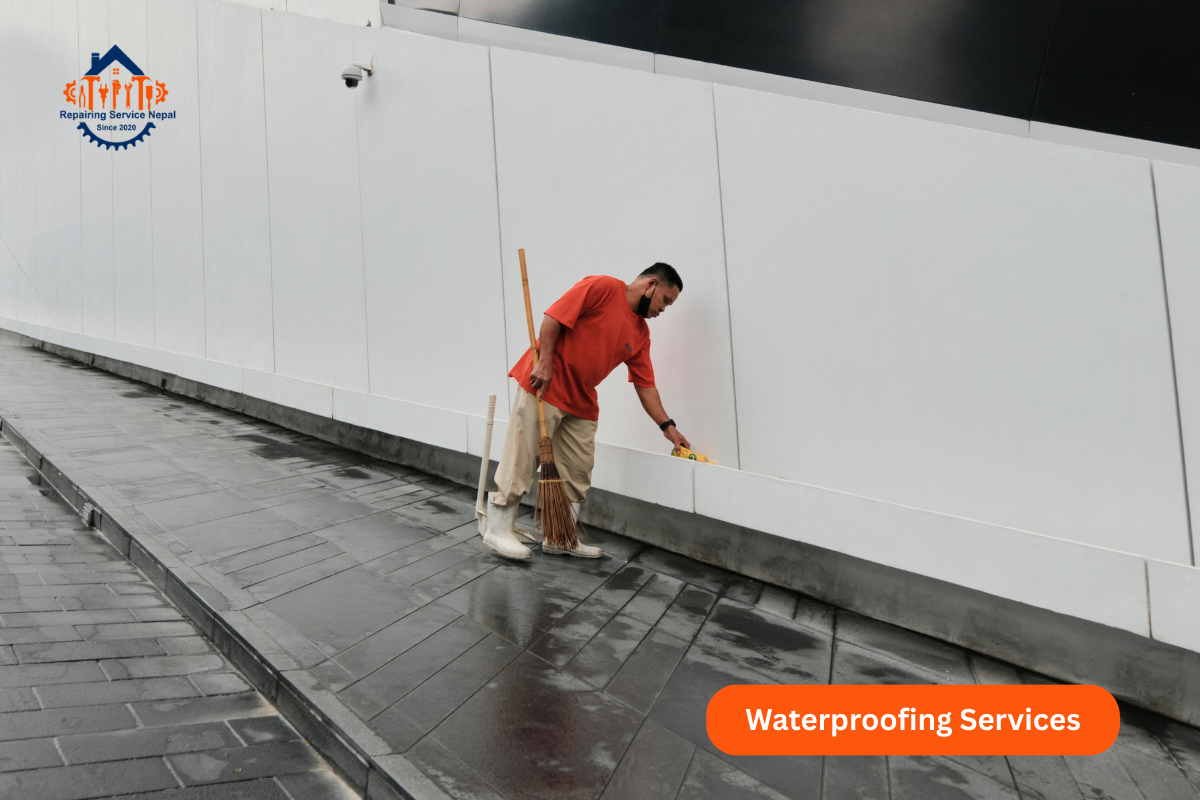 When it comes to safeguarding your home from leaks, dampness, and water damage, understanding the importance of waterproofing and selecting the right solution is essential. Repairing Service Nepal has earned a reputation as a trusted provider of high-quality, long-lasting waterproofing services. Their skilled team employs proven techniques and top-grade materials to ensure that your walls, roofs, and basements remain completely dry, even during heavy rains.
By recognizing the importance of waterproofing and opting for a professional service like Repairing Service Nepal, you not only protect your home from structural damage but also reduce the risk of costly repairs in the future. With their meticulous attention to detail, timely execution, and commitment to excellence, they have become the preferred choice for homeowners who value durability, reliability, and peace of mind.
FAQs
1. Why is waterproofing important for homes and buildings?
The importance of waterproofing lies in its ability to prevent water from seeping into walls, roofs, and foundations, protecting the entire structure from damage.
2. What problems can occur if a house is not waterproofed?
Ignoring the importance of waterproofing can lead to serious problems such as damp walls, peeling paint, cracks in the foundation, leakage in basements, and fungal or mold growth.
3. Is waterproofing only necessary during construction?
No, waterproofing is not only for new constructions. While it is best to apply waterproofing during construction, existing buildings can also be treated with waterproofing solutions.
4. How does waterproofing increase property value?
Recognizing the importance of waterproofing, a well-protected property is more durable, requires fewer repairs, and becomes more attractive to potential buyers.
5. What are the most common waterproofing methods used in homes?
Some popular waterproofing methods include liquid waterproofing membranes, cementitious coatings, bituminous coatings, polyurethane-based sealants, and waterproofing sheets.
6. How often should waterproofing be checked or maintained?
Waterproofing should be inspected at least once a year, especially before the rainy season. Regular maintenance helps detect minor cracks, leaks, or damage early, ensuring that the waterproofing layer remains effective and prolonging the life of the building.
7. Can waterproofing prevent mold and dampness inside the house?
Yes, waterproofing is one of the most effective ways to prevent mold and dampness.
8. Is professional waterproofing better than DIY methods?
Professional waterproofing is generally more reliable because experts can assess the building structure, choose the right materials, and apply them correctly.
9. Can waterproofing save money in the long run?
Yes. Understanding the importance of waterproofing helps homeowners realize how it reduces the likelihood of water damage, structural repairs, and mold remediation, saving significant costs over time.
10. Are there eco-friendly waterproofing options available?
Yes, eco-friendly waterproofing solutions exist, such as water-based membranes, natural sealants, and low-VOC coatings.
11. Does water proofing stops leaks?
Yes, when applied correctly, waterproofing prevents and stops leaks by creating a watertight barrier that prevents water from seeping into structures like roofs, walls, and foundations.
12. Is waterproofing a structural issue?
Yes, the importance of waterproofing becomes clear when you consider that its failure can lead to severe structural issues like cracks, weakening of concrete and steel reinforcements, and ultimately, a compromised building structure.
13. What are the different methods of waterproofing?
Waterproofing methods are typically categorized as cementitious coatings, liquid-applied membranes, preformed sheet membranes, or integral waterproofing systems.
14. Is waterproofing a sealant?
Yes, a waterproofing sealant is a type of product used in waterproofing to block water from entering.
15. What needs to be done before waterproofing?
Before waterproofing, you must assess and thoroughly clean the surface, ensuring it is dry, free of debris, and has any cracks or holes repaired, then apply the correct primer, and finally, install sealing tapes and reinforcement mats.
16. What’s the best waterproofing method for a bathroom?
Cementitious waterproofing works best due to its strong bonding and resistance to moisture.
17. How long does DIY waterproofing last?
If done correctly, it can last 5–10 years depending on exposure and maintenance.
18. Can I waterproof over paint?
No, remove old paint first for better adhesion and longer-lasting results.
19. How many coats of waterproofing are ideal?
At least two coats are recommended, but three offer better protection
20. Is DIY waterproofing safe for beginners?
Absolutely! With the right guidance and tools, anyone can handle small waterproofing projects safely.
Conclusion
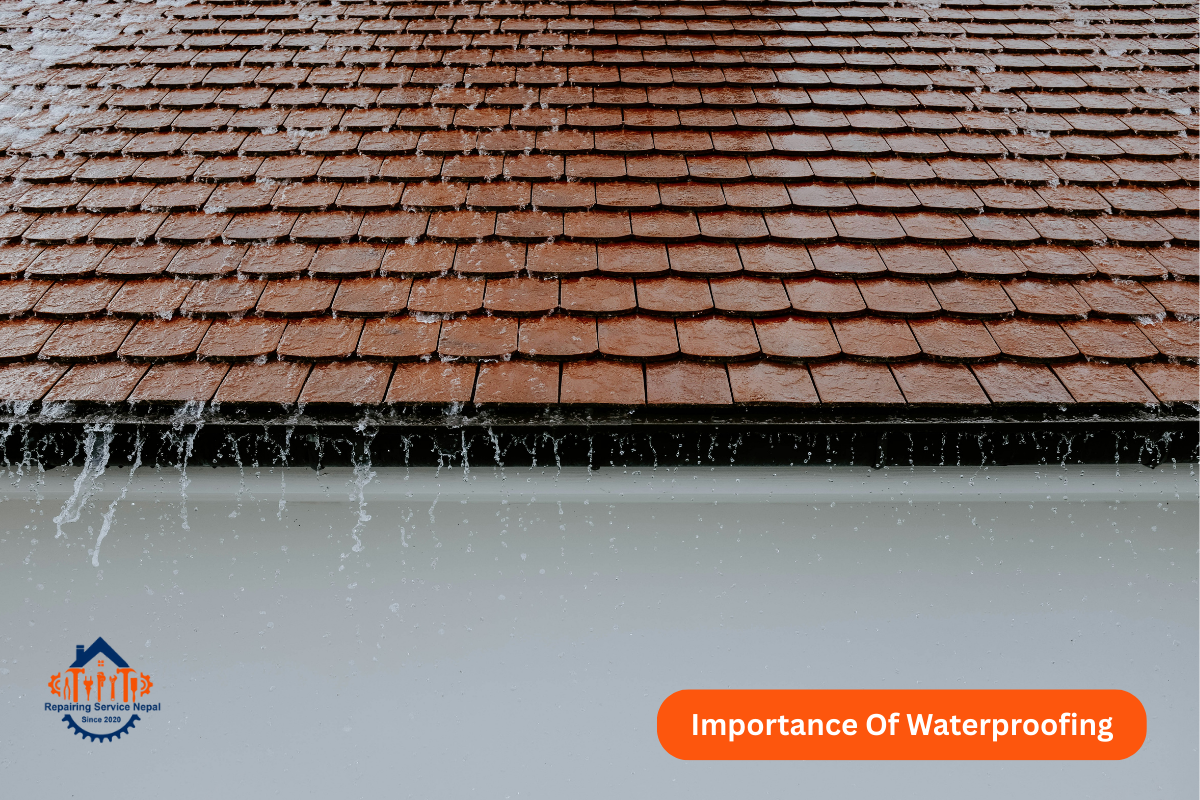
The importance of waterproofing is far more than a routine home improvement project—it is a critical necessity that every homeowner should consider a top priority. Recognizing the importance of waterproofing, its impact goes beyond just preventing water intrusion; it protects the very foundation and structural integrity of your home, ensuring that walls, roofs, basements, and other vulnerable areas remain strong and durable against the harsh effects of rain, humidity, and groundwater. Beyond structural protection, waterproofing plays a vital role in maintaining a healthy living environment. By keeping moisture at bay, it prevents the growth of mold, mildew, and fungi, which can trigger allergies, asthma, and other chronic respiratory issues, safeguarding the well-being of everyone in your household.
From a financial perspective, understanding the importance of waterproofing makes it clear that this is a smart, long-term investment. The costs of repairing water-damaged foundations, replacing ruined furniture, or treating toxic mold infestations can quickly escalate into thousands of dollars. By taking preventive measures today, you minimize the risk of these expensive and disruptive problems in the future. Furthermore, a well-maintained, waterproofed home holds greater value in the real estate market, attracting more buyers and securing a better price if you ever decide to sell.
Ultimately, appreciating the importance of waterproofing ensures that your home remains safe, comfortable, and resilient, allowing you and your family to enjoy every corner of your living space without constant worry about leaks or water damage.
Final Reminder:
Don’t wait until the warning signs of water damage become unavoidable—stains spreading across your walls, cracks forming in your foundation, or the damp, unhealthy air of a moisture-filled home. By the time you notice these issues, the damage is already done, and repairs can be expensive, stressful, and disruptive.
The smartest investment you can make is to understand the importance of waterproofing and take action to waterproof your home before problems arise. Proactive waterproofing gives you more than just protection—it provides lasting peace of mind, a healthier environment for your family, and long-term value for your property. Imagine living without the constant worry of leaks, mold, or hidden structural damage.
By realizing the importance of waterproofing, you secure a safer, stronger, and more comfortable home that will continue to protect your loved ones and your investment for many years to come.
Contact Us Today!
Address: Raja Janak Marg, Tinkune – Kathmandu
Phone: 01-5921330, 9802302562
Email: info@repairingservicenepal.com