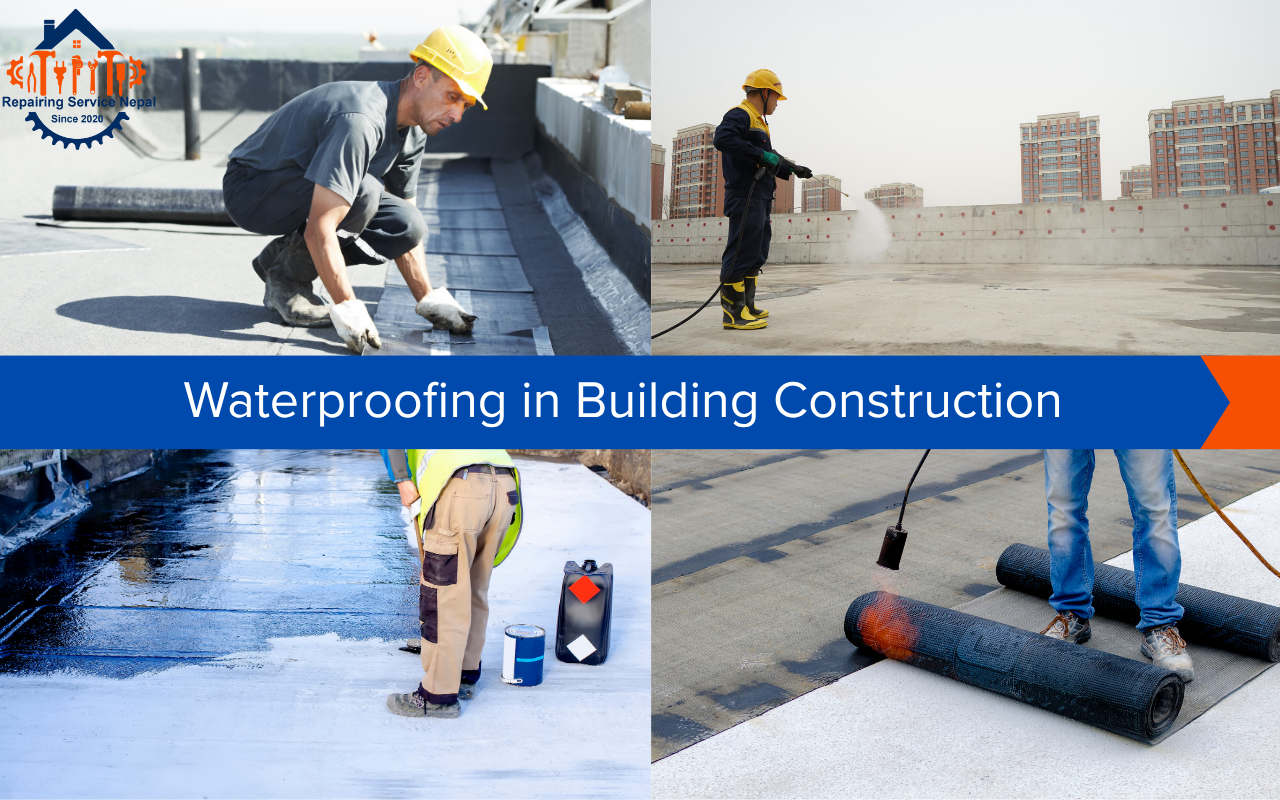
Waterproofing in building construction plays a vital role in ensuring the durability, safety, and overall structural integrity of any building. Whether you’re constructing a new home, upgrading a commercial property, or renovating an older structure, proper waterproofing protects against moisture damage, mold growth, and costly repairs that can weaken the foundation and walls over time.
In Nepal, especially in areas like Kathmandu, Bhaktapur, and Lalitpur, heavy rainfall, high humidity, and groundwater seepage make waterproofing an essential part of every construction project. Without effective waterproofing in building construction, buildings are at risk of premature deterioration, reduced lifespan, and health hazards due to damp and mold.
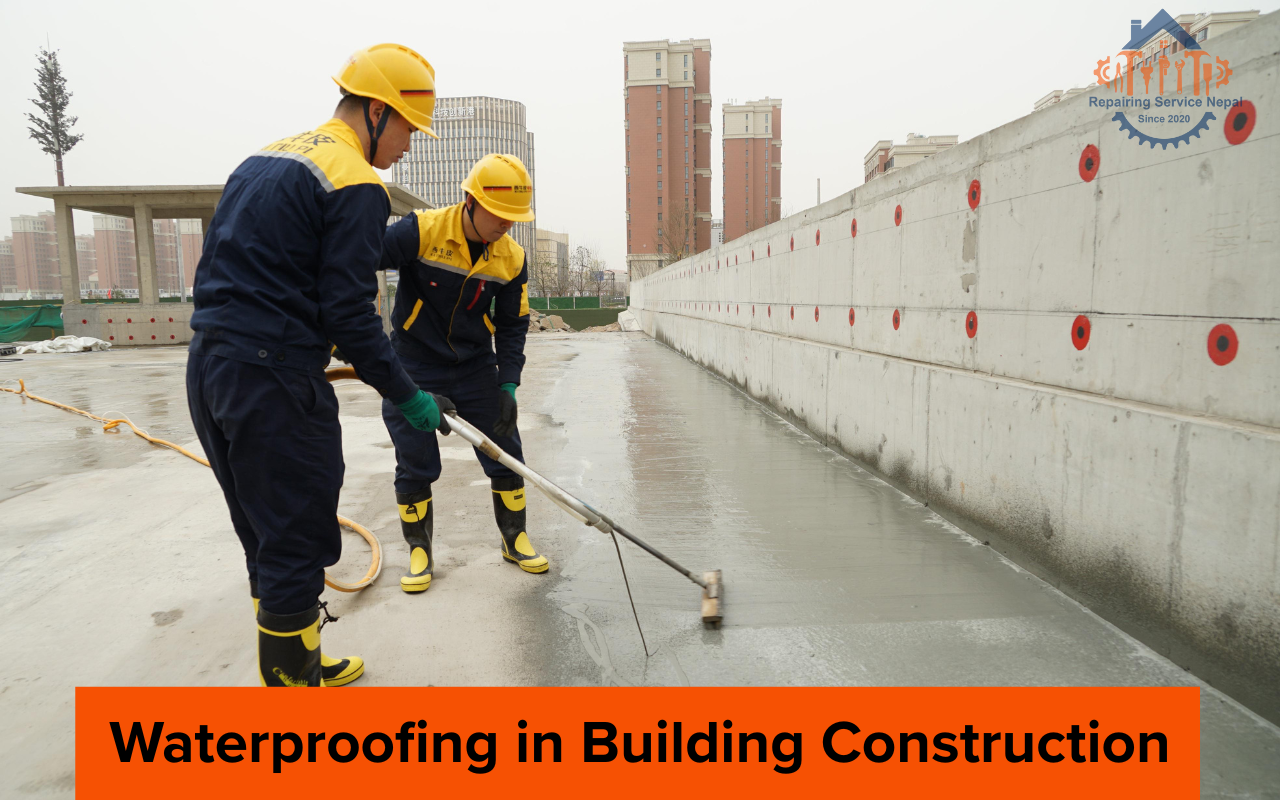
Choosing a trusted and experienced expert like Repairing Service Nepal, a leading waterproofing company in Kathmandu, ensures the use of quality materials and proven methods tailored to Nepal’s unique climate and construction needs. This commitment helps homeowners and builders protect their investments and maintain safe, healthy living and working environments for years to come.
What is Waterproofing in Building Construction?
Waterproofing in building construction is the process of applying specialized materials and techniques to prevent water from penetrating various parts of a building, such as foundations, walls, roofs, and interiors. This crucial step protects the structure from moisture-related damage, which can lead to structural weaknesses, mold growth, and costly repairs over time.
The main goal of waterproofing in building construction is to create an effective barrier against water intrusion. This barrier helps maintain the strength and durability of the building by keeping water out, especially in vulnerable areas that are prone to dampness and seepage.
Also commonly known as construction waterproofing, this practice is vital in Nepal, where heavy monsoon rains, high humidity, and underground water seepage pose significant challenges to building longevity. Proper waterproofing safeguards your investment by reducing the risk of leaks, water damage, and deterioration caused by constant exposure to moisture.
Whether it’s a residential home, commercial property, or industrial facility, incorporating effective waterproofing in building construction ensures a safer, healthier indoor environment and extends the life of the structure for many years to come.
Importance of Waterproofing in Building Construction
Waterproofing in building construction plays a vital role in preserving the strength, safety, and lifespan of any structure. In Nepal, where seasonal rainfall and underground seepage are common, a lack of proper waterproofing services can lead to serious and costly consequences.
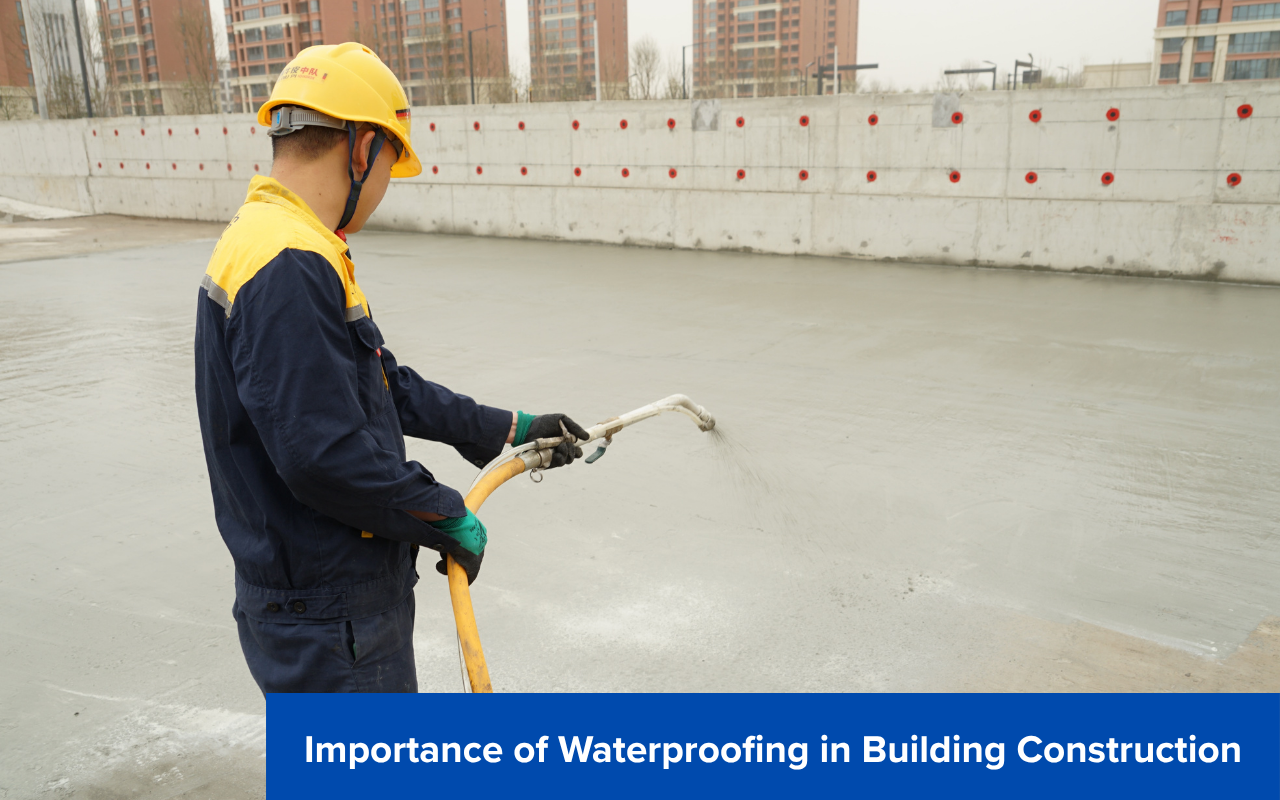
Here’s a closer look at why it’s so essential:
– Prevents Structural Damage
Without proper waterproofing in building construction, water can penetrate the structure and corrode steel reinforcements hidden within concrete walls and slabs. Over time, this weakens the building’s core and compromises its structural integrity. By applying waterproofing from the start, you create a long-term barrier against moisture intrusion, preserving the strength of your foundation and framework.
– Improves Durability
Buildings exposed to constant moisture degrade much faster. Whether it’s cracking plaster, peeling paint, or damaged concrete, water speeds up deterioration. Waterproofing in building construction ensures that your home or commercial building can endure the test of time by reducing exposure to water and humidity, especially in critical areas like roofs, basements, and bathrooms.
– Reduces Maintenance Costs
Frequent repairs due to water damage, such as fixing leaks, repainting walls, or replacing moldy surfaces, can quickly add up. Proper waterproofing in building construction acts as a preventative shield, reducing the need for repetitive maintenance and minimizing long-term expenses. This means fewer headaches for homeowners and property managers alike.
– Enhances Property Value
Potential buyers and tenants are more likely to invest in properties that are dry, clean, and well-maintained. Waterproofed structures not only look better but also perform better. Investing in waterproofing in building construction can significantly boost your property’s resale value and give you an edge in a competitive real estate market in waterproofing services in Kathmandu or Lalitpur.
– Promotes a Healthy Living Environment
Damp walls and mold growth aren’t just unsightly—they’re dangerous. Moisture can lead to allergens, respiratory issues, and other health problems. By incorporating waterproofing in building construction, you’re creating a safer and healthier indoor environment for your family, employees, or customers. This is particularly important in Nepal’s humid regions, where water seepage is common in older buildings.
– Protects Interior Finishes and Belongings
Furniture, electronics, and décor items can be severely damaged by water leaks. Waterproofing safeguards these interior elements by preventing water entry through walls, ceilings, and floors. This added protection is crucial in both residential and commercial buildings.
– Adapts to Local Climate and Construction Challenges
In Nepal, especially in the Kathmandu Valley, construction sites often deal with high ground moisture and irregular rainfall patterns. Waterproofing in building construction is tailored to address these local challenges, ensuring that structures remain resilient despite environmental factors.
Areas Requiring Waterproofing in Building Construction
One of the most important aspects of waterproofing in construction is knowing exactly where protection is needed. Not every part of a building is equally exposed to moisture, but certain zones are far more vulnerable to leaks, seepage, and long-term water damage.
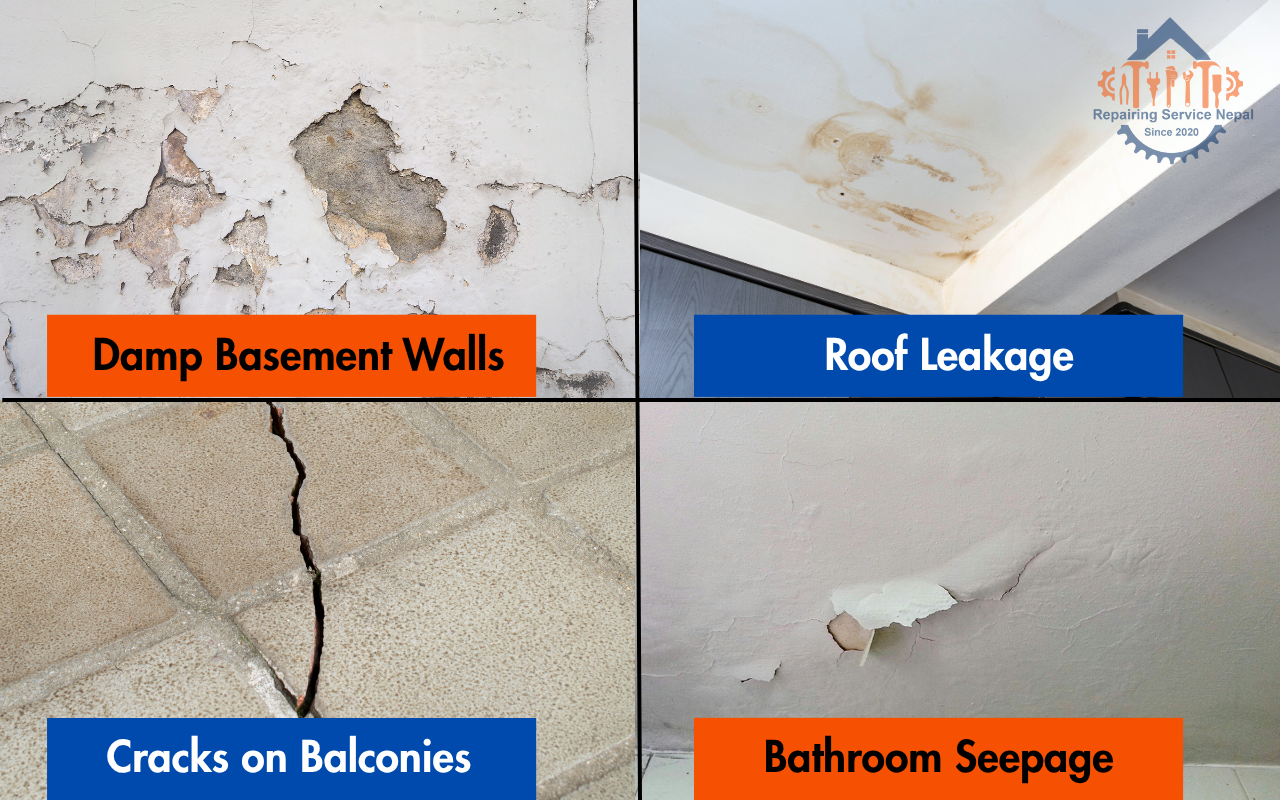
Here are the critical areas for waterproofing in building construction that should always be a priority when applying waterproofing materials in construction:
1. Roof and Terrace
These horizontal surfaces are constantly exposed to rain, heat, and temperature changes, which makes them one of the most water-prone areas. If left untreated, water can easily seep through the slab and damage ceilings below. Using a proper waterproofing membrane or liquid coating is essential for long-lasting protection.
2. Basement Walls and Floors
Basements are below ground level and are often exposed to high moisture levels, groundwater, and capillary action. Without proper cementitious waterproofing or crystalline treatment, these spaces can become breeding grounds for mold and mildew. Waterproofing your basement ensures a dry, usable space year-round.
3. Bathrooms and Kitchens
These are wet zones by design and need reliable waterproofing in building construction to prevent water from leaking through tile joints or damaging the structure underneath. Special waterproofing treatments should be applied beneath floor tiles and behind walls in these high-humidity areas.
4. External Walls
Exterior walls take the brunt of weather exposure. Over time, rainwater can seep into cracks, causing both aesthetic and structural issues. A good exterior waterproofing coating or sealant can block water penetration and extend the life of the wall plaster and paint.
5. Balconies
Like terraces, balconies are semi-open areas that face frequent water exposure. They require slope correction and waterproofing layers to ensure proper drainage and water resistance. Neglecting balcony waterproofing can lead to leaks into lower floors and wall dampness.
6. Foundations
A building’s foundation is its most important structural element. Groundwater can attack it silently from all sides. Applying waterproofing in building construction at the foundation level, using bituminous coatings or waterproofing sheets, helps ensure long-term structural stability and moisture resistance.
Each of these areas requires specific solutions based on the location, material, and usage. That’s why choosing the right waterproofing materials in construction for the waterproofing in building construction is necessary—such as flexible membranes, polymer coatings, and bituminous products—is key to effective protection.
Types of Waterproofing in Building Construction
When planning a durable structure, selecting the right type of waterproofing in building construction is just as important as choosing the materials or design. Different areas of a building require different waterproofing methods depending on the level of moisture exposure, surface type, and structural needs.
Here are the most widely used types of waterproofing in building construction, especially relevant for homes and buildings across Nepal:
1. Cementitious Waterproofing
One of the oldest and most cost-effective methods, cementitious waterproofing is commonly used in internal wet zones such as bathrooms, kitchens, and basements. It involves applying a cement-based mixture to the surface, forming a rigid, durable waterproof layer. It’s easy to apply and doesn’t require advanced equipment, making it ideal for small-scale or residential projects.
2. Liquid Waterproofing Membrane
This method involves the use of a liquid waterproofing membrane, typically based on polyurethane or acrylic, which is applied using a roller, brush, or spray. Once dried, it forms a seamless and highly elastic waterproof layer. It’s particularly suitable for flat roofs, terraces, and balconies, where flexibility and expansion resistance are critical.
3. Bituminous Coating and Membranes
Popular for both residential and commercial roofing, bituminous waterproofing involves the application of bitumen-based products. This includes bituminous coatings for surface sealing and bitumen-based membranes for larger roof areas. It provides excellent protection from rain and UV rays but may require professional installation for proper adhesion and overlap.
4. Polyurethane Waterproofing
Known for its excellent flexibility, polyurethane waterproofing is ideal for flat roofs, exposed terraces, and areas with high movement or cracks. It provides seamless protection and excellent UV resistance, but surface preparation must be perfect to ensure strong bonding.
5. Crystalline Waterproofing
Crystalline waterproofing is a chemical-based system that reacts with moisture in the concrete to form insoluble crystals, which block water pathways. It’s widely used for foundations, basements, and underground structures due to its deep penetration and long-lasting results. It’s also great for retrofitting older buildings with moisture problems.
Each of these types of waterproofing in building construction has its own advantages and drawbacks, depending on the structure, climate, and location. For example, homes in Kathmandu, Bhaktapur, and Lalitpur often require a combination of methods due to variable weather and construction styles.
That’s why consulting professionals like Repairing Service Nepal, a trusted waterproofing company in Kathmandu, ensures that you get the most effective and long-lasting waterproofing method tailored to your building’s specific needs.
Waterproofing Materials in Construction
Selecting the right waterproofing materials in construction is crucial to the success and longevity of any waterproofing system. The effectiveness of waterproofing in building construction doesn’t just depend on the method used, but also on the quality and suitability of the materials applied.
Here’s a closer look at the most commonly used waterproofing materials list, especially relevant to homes and buildings in Nepal, where varying weather conditions require adaptable and durable solutions:
1. Cement-Based Coatings
These are widely used for cementitious waterproofing, especially in internal areas such as toilets, bathrooms, and kitchens. Cement-based products are easy to apply and offer excellent adhesion to concrete and masonry surfaces.
2. Liquid Waterproofing Membranes (PU, Acrylic)
Liquid membranes, typically made from polyurethane (PU) or acrylic polymers, are applied in multiple coats using a brush, roller, or spray. Once cured, they form a seamless, flexible waterproofing layer. This type is especially suitable for terraces, balconies, and roofs.
3. Bituminous Waterproofing Materials
Used primarily for flat roofs and basements, bituminous coatings and membranes offer solid water resistance and UV protection. These materials come in rolls or can be applied as coatings to create a protective layer.
4. Crystalline Waterproofing Agents
These materials react with water and unhydrated cement in the concrete to form insoluble crystals that block pores and capillaries. Crystalline waterproofing agents compounds are ideal for below-grade waterproofing, such as basements and foundations, and are often chosen for long-term durability.
5. EPDM Rubber Sheets
Ethylene Propylene Diene Monomer (EPDM) is a durable rubber material commonly used for roofing. It is UV resistant, flexible, and long lasting, perfect for large, flat areas requiring extended waterproofing performance.
6. Silicone and Acrylic Sealants
These are essential for joint sealing and minor crack repairs. They provide elastic coverage, accommodating slight movements in the structure without breaking or peeling.
7. Waterproofing Paints
Specially formulated paints for external walls protect surfaces from rain, moisture, and humidity. They are easy to apply and often used in combination with other types of waterproofing in building construction for added protection.
Choosing the Right Material for Waterproofing in Building Construction
Selecting the right waterproofing materials in building construction is not a one-size-fits-all decision. It depends on a combination of environmental, structural, and functional factors. Making an informed choice is essential for long-term success, especially in regions like Nepal where monsoon rains and fluctuating weather patterns pose serious challenges.
Here are the key factors to consider:
– Local Climate
In areas like Kathmandu, Bhaktapur, and Lalitpur, where the rainy season brings heavy downpours, high water resistance is crucial. Materials must withstand prolonged exposure to moisture without breaking down.
– Building Location
Is your building situated in a low-lying area prone to waterlogging or ground seepage? If so, crystalline waterproofing or bituminous membranes may be more appropriate than basic coatings.
– Structural Needs
Rigid materials may work well for stable surfaces, while flexible membranes are better for areas prone to movement or minor cracking. Understanding your structure’s behavior helps determine the right fit.
– Area of Application
Internal wet zones such as bathrooms and kitchens require cementitious waterproofing, while terraces and balconies may benefit more from liquid membranes or polyurethane coatings. External walls might require waterproofing paints or elastomeric coatings for weather resistance.
Even the best materials will fail if not installed correctly. That’s why it’s important to follow precise procedures and, ideally, consult professionals.
Waterproofing in Building construction – Pros and Cons
Choosing the right waterproofing approach can make a significant difference in your building’s performance. Here are some key benefits and limitations of waterproofing in building construction:
Pros:
– Prevents Water Infiltration
Stops leaks that can damage walls, roofs leaks, and foundations.
– Enhances Building Lifespan
Reduces structural wear and extends the life of concrete and finishes.
– Reduces Humidity and Mold Growth
Keeps interiors dry, preventing health issues caused by dampness and mold.
– Lowers Repair and Maintenance Costs
Minimizes frequent repairs caused by water damage, saving money over time.
Cons:
– Higher Initial Cost
Quality materials and skilled labor can increase upfront expenses.
– Requires Expert Application
Improper installation may lead to system failure and recurring leaks.
– Periodic Maintenance May Be Needed
Some systems need re-application or routine checks over time.
While the advantages of waterproofing in building construction clearly outweigh the downsides, working with a professional like Repairing Service Nepal ensures you avoid costly mistakes and get the most value from your investment.
What is the Best Waterproofing in Building Construction?
There is no one-size-fits-all solution, but here are some popular options:
– Liquid Membrane: Flexible and ideal for uneven surfaces
– Cementitious Waterproofing: Cost-effective for internal areas
– Membrane Waterproofing: Long-lasting and ideal for terraces
– Bituminous Coating: Commonly used in Nepal’s residential settings
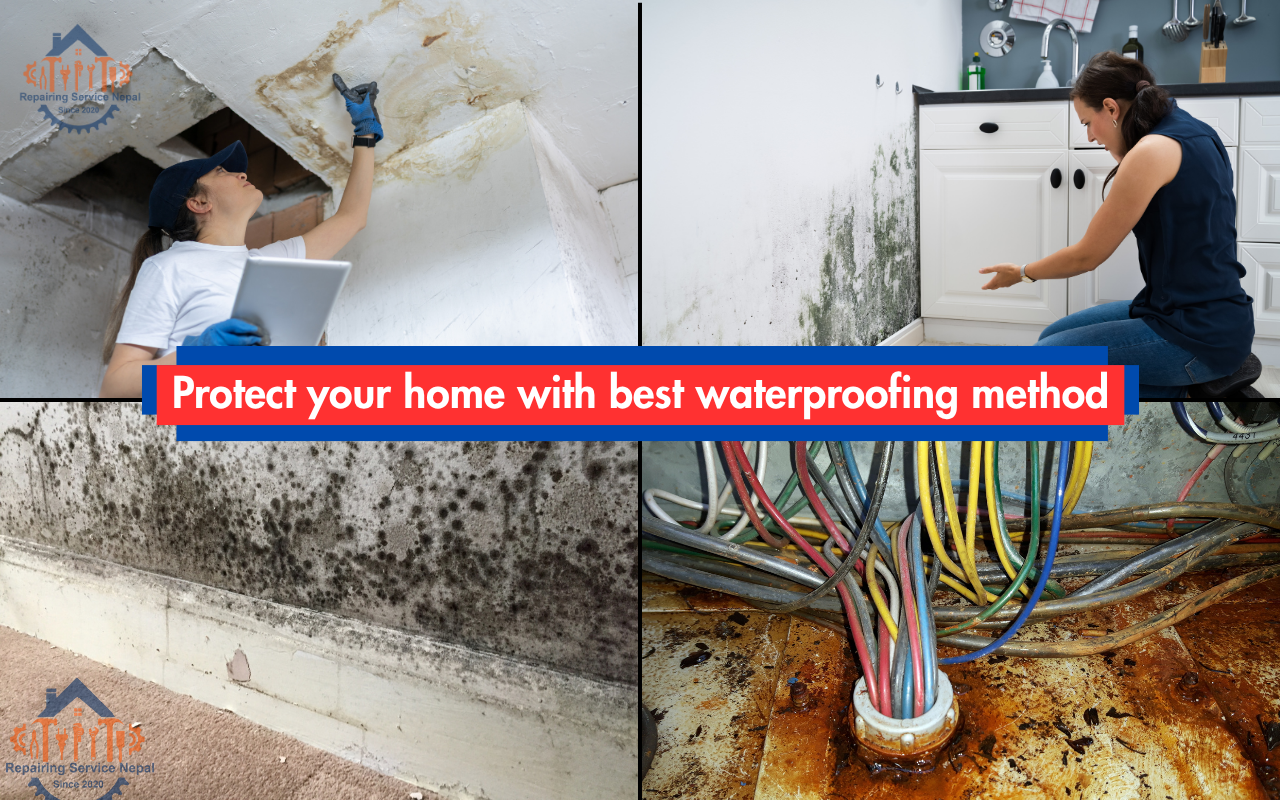
Still unsure? Consult with a waterproofing services in Kathmandu like Repairing Service Nepal to determine the most effective solution for your property.
Waterproofing in Building Construction Details and Procedure
Effective waterproofing in building construction requires a systematic approach to ensure lasting protection. Here are the key steps involved in the waterproofing process:
1. Surface Preparation
The first step is to thoroughly clean the area to remove dust, dirt, and loose particles. The surface must be dry and smooth to ensure proper adhesion of the waterproofing materials.
2. Crack Filling
Existing cracks or gaps are sealed using suitable sealants or fillers. This step prevents water from seeping through weak points and prepares the surface for the main waterproofing layer.
3. Primer Application
A primer coat is applied to enhance the bonding between the surface and the waterproofing material. This ensures that the membrane or coating adheres firmly and lasts longer.
4. Main Waterproofing Layer
Depending on the chosen method, this involves applying waterproofing membranes, liquid coatings, or sheets. Each material is carefully layered to create a continuous, impermeable barrier against moisture.
5. Curing and Protection
Once applied, the waterproofing layer needs adequate time to cure properly. After curing, protective measures such as screeds or insulation layers are installed to prevent physical damage.
Following these steps aligns with the basic principles of waterproofing in building construction and guarantees durable, water-resistant structures that withstand Nepal’s weather challenges.
Waterproofing in Kathmandu, Bhaktapur, and Lalitpur
Whether you’re building a house in Kathmandu, renovating in Bhaktapur, or sealing your roof in Lalitpur, localized knowledge is key. Moisture levels and rainfall vary by region, making professional help from Repairing Service Nepal essential.
If you’re searching for waterproofing near me, Repairing Service Nepal’s professional teams are available for inspection and consultation across all major municipalities.
Waterproofing in Construction PDF and Educational Resources
Looking for technical knowledge? You can explore:
– Waterproofing in Construction PDF
– Waterproofing in Building Construction PDF
– Waterproofing in Building Constructions PPT
These resources provide deeper insight into what is waterproofing in construction, its methods, and real-world applications.
Why Choose Repairing Service Nepal?
When it comes to waterproofing in building construction, you need a trusted local expert who understands the materials, methods, and challenges specific to Nepal.
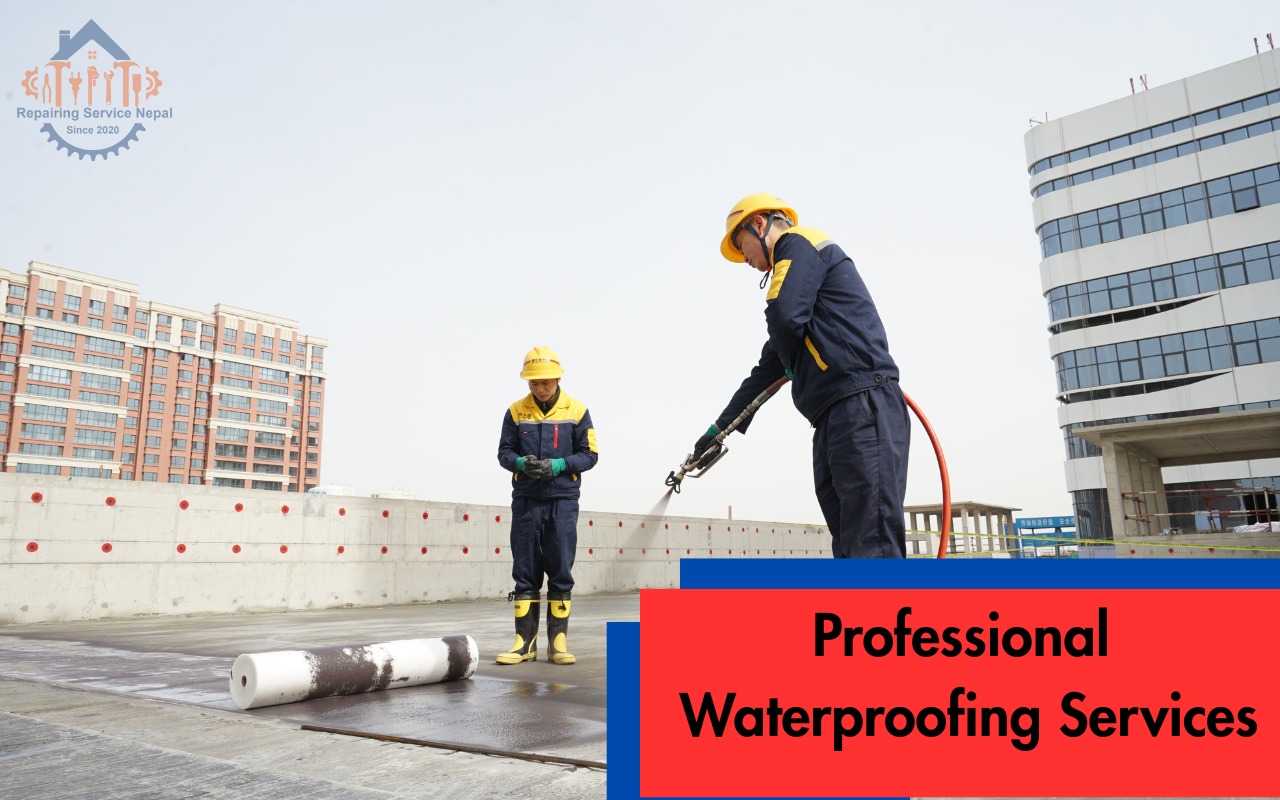
Here’s why Repairing Service Nepal stands out:
– Skilled and Certified Team
We specialize in cementitious waterproofing, liquid membranes, and bituminous solutions for all types of buildings.
– High-Quality Materials
We use only the best waterproofing materials for concrete, roofs, and building exteriors, ensuring long-term durability.
– Affordable Pricing
Our rates are fair, transparent, and tailored to your project’s scope.
– Fast, Local Service
Serving Kathmandu, Lalitpur, and Bhaktapur, we respond quickly and get the job done efficiently.
Whether you need roof sealing, ceiling repair, wall protection, or foundation treatment, Repairing Service Nepal is the waterproofing partner you can count on.
FAQs
Final Thoughts
Waterproofing in building construction is not just an optional step, it’s a critical investment in the strength, safety, and value of your property. Especially in a climate like Nepal’s, where seasonal rains and humidity pose real threats to structural integrity, waterproofing becomes essential.
Whether you’re constructing a new home, renovating an old building, or dealing with ongoing leakage issues, choosing the right waterproofing method and materials can prevent costly damage down the line. From reducing interior dampness to protecting steel reinforcements and concrete, the long-term benefits are both practical and financial.
If you’re located in Kathmandu, Bhaktapur, or Lalitpur and searching for waterproofing near me, let Repairing Service Nepal be your go-to solution. Our team offers expert service using industry-standard materials and proven techniques tailored to your structure’s specific needs.
Contact Repairing Service Nepal
Repairing Service Nepal Address: Raja Janak Marg, Tinkune – Kathmandu
 Phone: 01-5921330, 9802302562
 Email: info@repairingservicenepal.com
Take the first step in protecting your property with the best waterproofing in building construction service in Nepal.