
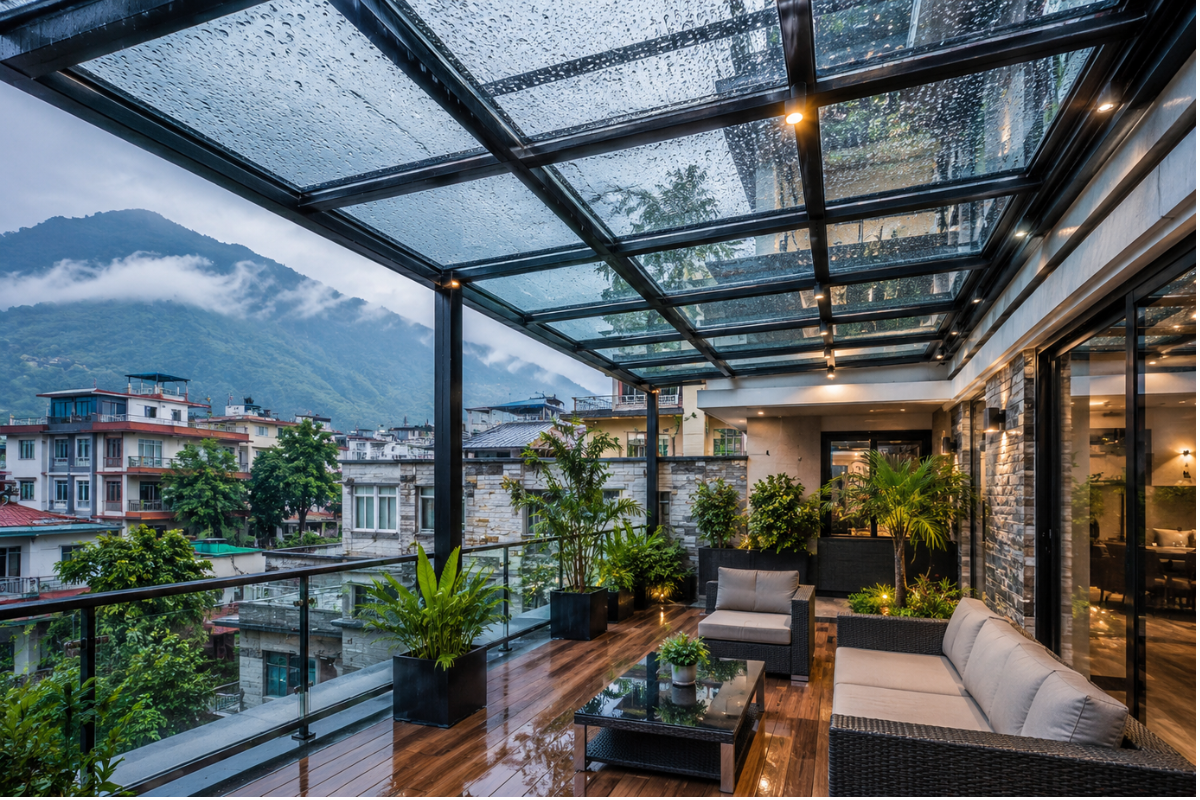
If you have ever looked at a building with a beautiful glass ceiling and thought, “I want that for my home,” you are not alone. More and more people in Nepal are choosing a toughened glass roof for their terraces, balconies, cafes, and offices. It looks modern, lets in natural daylight, and keeps rain and wind out at the same time.
But a lot of people also have questions. Is it safe? Will it break? Does it make the house too hot? How much does it cost in Nepal?
This guide answers all of those questions in simple, honest language. By the end, you will know everything you need to decide whether a toughened glass roof is right for your home or building.
What Is a Toughened Glass Roof?
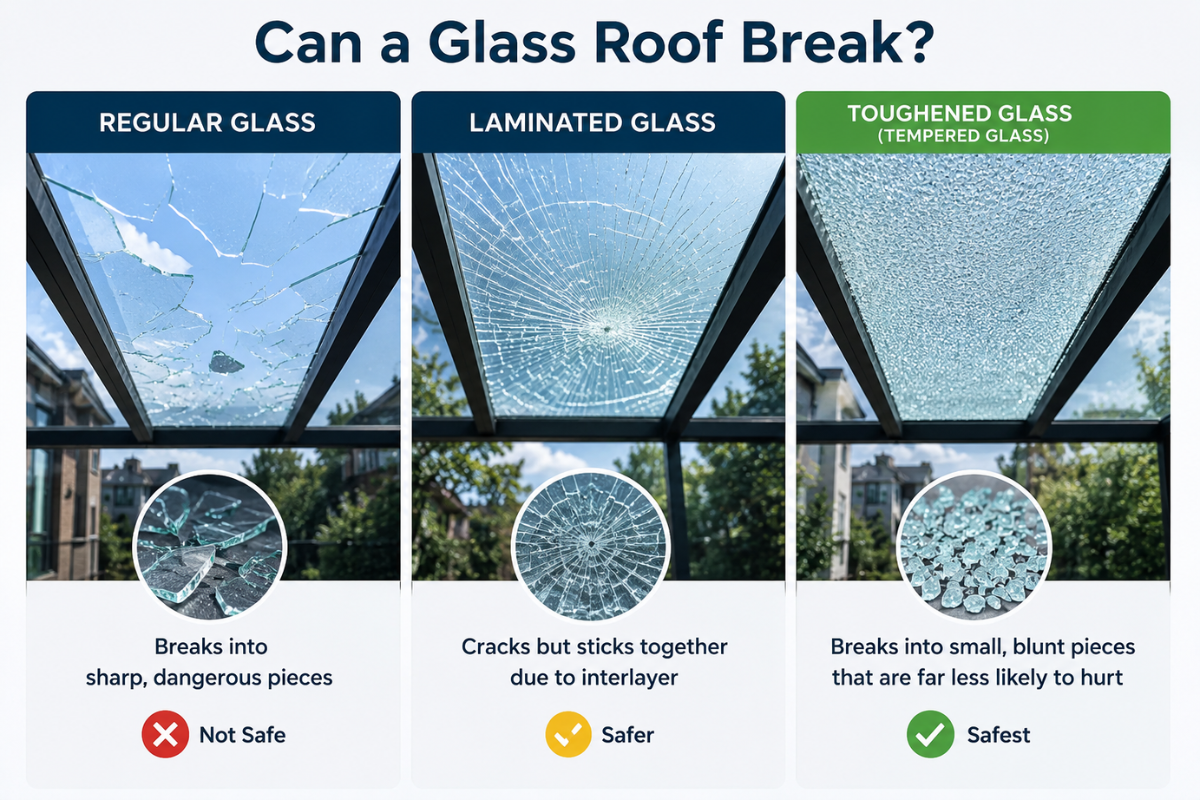
Toughened glass is also called tempered glass or tempered safety glass. It is a special type of glass that goes through a heating and rapid cooling process during manufacturing. This process makes it much stronger than regular glass.
Here is something easy to remember:
– Regular glass breaks into sharp, dangerous pieces when it cracks.
– Toughened glass, when it breaks, turns into small, blunt pieces that are far less likely to hurt someone.
That is why it is called safety glass. It is designed to keep people safe even if something goes wrong.
How Does a Toughened Glass Roof Work?
A toughened glass roof is made by placing toughened glass panels on a strong frame. The frame is usually made of aluminium or powder-coated steel. Between the glass and the frame, special materials like silicone sealant and EPDM gaskets are used to keep water out and hold the glass firmly in place.
The result is a roof that:
– Let natural light come through from above
– Keeps rain, dust, and wind out
– Stays strong under pressure, weight, and temperature changes
Where Is It Commonly Used?
A toughened glass roof is used in many different places. Here are the most common ones you will see in Nepal:
– Home terraces and rooftops
– Balconies and verandas
– Restaurant and cafe outdoor seating areas
– Hotel lobbies and courtyards
– Car parking shades
– Commercial buildings and office entrances
– School and college corridors
Why Are Toughened Glass Roofs Becoming Popular in Nepal?
Nepal has heavy rain, hot summers, cold winters, and small earthquakes. A toughened glass roof works well in all these conditions. It keeps out rain during the monsoon, lets in natural light, helps keep the space comfortable in winter and summer, and stays safe when installed with a strong frame and proper support. Here are some of the most common reasons:
Modern Design with Natural Light
People in Nepal want homes and businesses that look modern. A toughened glass roof gives any space a clean, open, premium look. It replaces the darkness of a CGI sheet or tin roof with natural daylight pouring through from above.
Hotels, restaurants, and cafes in Kathmandu and Pokhara have especially adopted glass roof design to attract customers. It creates an open, airy atmosphere that people love.
Ideal for Homes and Commercial Buildings
Whether you want a glass roof for your home terrace in Lalitpur or a glass canopy over your shop entrance in Kathmandu, toughened glass roofing works for both. It is flexible, customizable, and suits both small and large projects.
Benefits of Installing a Toughened Glass Roof
A toughened glass roof is 4 to 5 times stronger than ordinary glass. It can handle heavy rain, hailstones, and strong winds. When supported by a proper aluminium frame or steel frame, it holds up well for many years.
- It does not rot like wood.
- It does not rust like iron.
- It does not fade or crack like plastic sheets.
Weather and UV Resistant
Good quality toughened glass used in roofing comes with UV protection. This means harmful ultraviolet rays from the sun are filtered out. The space below stays bright but not scorching. This is very important in Nepal during the summer months.
It also has strong weather resistance. Heavy monsoon rain, dust storms, and cold winter frost do not affect a properly installed toughened glass roof.
Energy Efficient
Natural daylight through a glass roof means you use fewer electric lights during the day. This saves electricity. Some glass roof types also include thermal insulation properties, which help keep warmth inside during winter. Over time, this makes your home’s roofing more energy-efficient compared to solid roofs that block all sunlight.
Low Maintenance
Once installed correctly, a toughened glass roof does not need a lot of upkeep. It is a low-maintenance roof by nature. You mostly just need to clean it regularly and check the sealant once a year. That is it.
Compare that to iron sheets that need repainting, wood roofs that need treatment, or polycarbonate that turns yellow over time. Toughened glass holds its look and function for years without much work.
Modern Appearance
There is no doubt about it. A toughened glass roof looks far better than a CGI sheet or tin roof. It gives your home or business a premium, modern architecture look. It adds a lot of character to a building. Guests and visitors notice it right away.
Increases Property Value
Buildings with glass roof installations generally have higher property value. If you ever want to rent out or sell your property, a glass roof is a feature that attracts buyers and tenants. It is both a lifestyle upgrade and a smart investment.
Types of Toughened Glass Roofs and Their Uses
Here are some of the most common uses of toughened glass:
Terrace Glass Roof
This is the most popular use in Nepal. A toughened glass roof for a terrace turns an open, weather-exposed rooftop into a covered, usable space. You can sit outside even during monsoon rain. Many families in Kathmandu use this to create a garden space, drying area, or relaxation zone.
Balcony Glass Roof
A toughened glass roof for a balcony gives you a covered outdoor space without closing it off completely. It keeps rain out but still feels open and airy. It is ideal for apartments and townhouses.
Skylight Glass Roof
A skylight is a glass panel fitted into a ceiling or roof to bring light into a room below. Toughened glass skylights are used in living rooms, staircases, bathrooms, and corridors. They make dark interior spaces bright without using electricity.
Pergola Glass Roof
A pergola is an outdoor structure used in gardens and courtyards. Adding a toughened glass roof to a pergola makes it usable in all weather. You can sit under it during rain without getting wet, yet still enjoy the outdoors.
Car Parking Glass Roof
Glass canopies are increasingly used as car parking shades in Nepal. They look elegant, keep cars dry, and do not feel as heavy or dark as a concrete slab overhead.

Commercial Glass Roof
Restaurants, cafes, hotels, hospitals, schools, and offices in Nepal are using commercial glass roofs for their walkways, atriums, and outdoor seating. It gives a professional appearance and improves the customer experience greatly.
Toughened Glass Roof vs Other Roofing Materials
This is a question many people ask before making a decision. Here is a clear, honest comparison.
Toughened Glass vs Laminated Glass
Both toughened glass and laminated safety glass are types of safety glass. Here is the difference:
| Feature | Toughened Glass | Laminated Glass |
|---|---|---|
| Strength | Very strong and heat-resistant | Strong, but mainly designed for extra safety |
| Safety | Breaks into small, blunt pieces | Stays together because of the plastic interlayer |
| Best Use | Open roofs, terraces, balconies, and canopies | Skylights and places where falling glass is a concern |
| Cost | Usually more affordable | Usually costs more |
| Best Choice in Nepal | Best for most toughened glass roof projects | Best for overhead skylights or high-safety areas |
Our Recommendation: For most toughened glass roof projects in Nepal, toughened glass is the best choice because it is strong, durable, and suitable for everyday use. For overhead skylights where extra safety is needed, many professionals recommend laminated glass or a combination of both.
Toughened Glass vs Polycarbonate Roof
Polycarbonate is a plastic sheet material that is cheaper. But it has major drawbacks:
| Feature | Polycarbonate Roof | Toughened Glass Roof |
|---|---|---|
| Lifespan | Turns yellow and cloudy in 3–5 years | Stays clear for 20+ years |
| Scratch Resistance | Scratches easily | More resistant to scratches |
| Appearance | Looks less clean over time | Keeps a modern and premium look |
| UV Protection | Reduces over time | Provides long-lasting UV protection |
| Long-Term Value | May need replacement after a few years | Lasts longer and saves money over time |
Our Recommendation: A toughened glass roof costs more at the beginning, but it lasts much longer, looks better, and needs fewer replacements. This makes it a smart long-term investment for homes and businesses in Nepal.
Toughened Glass vs Metal Roofing (CGI Sheet / Iron Sheet)
CGI sheets and iron sheet roofs are common in Nepal because they are cheap. But:
| Feature | CGI Sheet / Iron Roof | Toughened Glass Roof |
|---|---|---|
| Noise During Rain | Very noisy | Much quieter |
| Comfort | Gets very hot in summer and very cold in winter | Helps create a brighter and more comfortable space |
| Rust Resistance | Can rust over time | Does not rust |
| Natural Light | Blocks all sunlight | Lets in plenty of natural light |
| Appearance | Simple and industrial look | Modern and stylish look |
| Long-Term Value | Lower upfront cost but fewer design benefits | Higher upfront cost but adds beauty and property value |
Our Recommendation: A toughened glass roof costs more at first, but it gives you a brighter, quieter, and more modern space. It is also a smart long-term investment for homes and businesses in Nepal.
Which Roofing Option Is Best for Nepal?
For most homes and commercial buildings in Nepal that want a modern, long-lasting, and weather-proof roofing solution, a toughened glass roof is the best overall choice. If budget is very tight, polycarbonate is a temporary option, but most people end up replacing it within a few years anyway.
How to Choose the Right Toughened Glass Roof
Glass thickness matters a lot for safety and strength. Here is a simple guide:
– 8 mm toughened glass: Good for small covered balconies and pergolas with short spans.
– 10 mm toughened glass: Standard for most home terraces and car parking shades.
– 12 mm toughened glass: Used for larger spans, commercial buildings, and areas with heavy snowfall or strong wind load.
Always ask your contractor to assess your specific span and load requirement before choosing thickness.
Selecting the Best Frame Material
The frame holds everything together. The two main options are:
– Aluminium frame: Lightweight, rust-proof, and easy to maintain. Best for most residential uses.
– Powder-coated steel frame: Stronger and better for large commercial spans. Needs proper coating to avoid rust.
For most homes in Nepal, an aluminium frame with a toughened glass roof is the most practical and cost-effective choice.
Waterproofing and Drainage
This is very important in Nepal because of heavy monsoon rain. A poorly waterproofed glass roof will leak. Good glass roof waterproofing requires:
– High-quality silicone sealant at all joints and edges
– EPDM gaskets between the glass and the frame
– Proper glass roof drainage channels so rainwater runs off quickly
– A slight slope in the roof design (at least 5 degrees) to allow water to flow away
Always check that your installer plans for drainage before work begins.
Safety Standards to Look For
When buying toughened glass for roofing, look for:
– Glass that meets tempered safety glass standards
– Structural glazing certification from the supplier
– Proper load testing for the glass thickness you choose
– A warranty from the glass supplier
Toughened Glass Roof Installation Process

A professional glass roof installation follows a clear, step-by-step process. Here is what happens when you hire a good team like Repairing Service Nepal:
Step 1: Site Inspection and Measurement
The team visits your home or building first. They measure the area, check the existing structure, assess the load-bearing capacity, and plan the roof layout. This step makes sure everything fits perfectly before any material is ordered.
Step 2: Frame Installation
Once the design is confirmed, the aluminium frame or steel frame is installed. The frame must be level, square, and firmly anchored to the existing structure. This is the base that holds all the glass panels. If the frame is not done properly, problems will follow.
Step 3: Glass Installation
The pre-cut toughened glass panels are brought to the site. They are placed on the frame carefully using proper tools. Each panel is positioned and secured using clamps or structural fasteners depending on the design.
Step 4: Waterproof Sealing
After the glass is set, silicone sealant is applied along all joints, edges, and connection points. EPDM gaskets are fitted where needed. This step is what keeps the roof waterproof. It takes time and must be done carefully. Rushing this step causes leaks.
Step 5: Final Quality Check
The installation team does a full check. They look at every joint, test for any movement or gaps, and make sure water cannot get in. A water test is often done by pouring water on the roof and checking for leaks inside. Only after passing this check is the job considered complete.
Toughened Glass Roof Price in Nepal
The toughened glass roof price in Nepal is not fixed. It changes based on several things. Here are the most common cost/price affecting factor:
- The size of the area to be covered
- The glass thickness chosen (8 mm, 10 mm, or 12 mm)
- The frame material (aluminium or steel)
- The complexity of the design
- The location (Kathmandu, Pokhara, or other cities)
- Transportation and installation charges
Glass Thickness and Approximate Cost Range
Here is a rough idea of the glass roof cost in Nepal based on thickness. Please note that prices change, and you should always get a proper quote:
– 8 mm toughened glass roofing: Approximately NPR 3,500 to 5,000 per square foot (material only)
– 10 mm toughened glass roofing: Approximately NPR 5,000 to 7,000 per square foot (material only)
– 12 mm toughened glass roofing: Approximately NPR 7,000 to 10,000 per square foot (material only)
These are indicative figures. Glass roof installation cost, including frames, sealant, and labour, is separate and depends on the project.
Frame Material
An aluminium frame is generally more affordable. A powder-coated steel frame costs a bit more but is stronger for heavy-load situations. Both are good choices depending on your project.
Installation Charges
Professional glass roof installation service charges vary by contractor and project complexity. Always get quotes from at least two or three contractors. A very low quote often means corners are being cut, especially on waterproofing and sealant quality.
Long-Term Maintenance Cost
Glass roof maintenance costs are low. A standard cleaning every 3 to 6 months and a sealant check once a year are usually all you need. Compared to iron roofs that rust and polycarbonate roofs that yellow, the long-term maintenance cost of a toughened glass roof is actually very low.
Maintenance, Lifespan, and Common Problems
Here is the simple breakdown of maintenance, lifespan, and common problems:
How Long Does a Toughened Glass Roof Last?
A well-installed toughened glass roof lasts 20 to 30 years or more. The glass itself is very durable. The parts that need attention over time are the sealant and the frame. With regular checks, the roof can last a very long time.
How to Maintain a Glass Roof
Good glass roof maintenance is simple. Here is what you need to do:
- Clean the glass surface every 1 to 3 months using a soft cloth or sponge and mild soapy water. Do not use harsh chemicals or abrasive scrubbers. This keeps the glass clear and clean.
- Check the silicone sealant once a year. If you see cracks, gaps, or discolouration in the sealant, have it replaced before the next monsoon. Old sealant is the number one cause of glass roof leaks.
- Inspect the frame for any signs of rust (if steel) or loose joints. Tighten any loose bolts.
- Keep drainage channels clear. Blocked drains cause water to pool on the roof, which puts pressure on the glass and sealant.
Common Problems and Their Solutions
Here are some of the most common problems and their solutions:
Glass roof leaks:
Almost always caused by damaged or old sealant. Solution: Re-seal all joints with fresh, high-quality silicone sealant.
Glass roof condensation:
Moisture builds up on the inside of the glass in cold weather. Solution: Improve ventilation in the space below. You can also use anti-condensation-coated glass.
Glass roof heat:
The space below gets warm in summer. Solution: Use UV-protective or heat-reflective glass. Installing ventilation gaps in the frame also helps. You can also use blinds or tinting on the glass.
Glass roof drainage problems:
Water pools on the roof instead of flowing off. Solution: Make sure the roof has a proper slope and that drainage channels are clear.
Glass roof cracks:
Can happen if a heavy object falls or if the glass was improperly installed. Solution: The affected panel needs to be replaced. This is one reason why professional installation matters.
Can a Toughened Glass Roof Break?
Yes, it can break, but it is much harder to break than regular glass. And when it does break, it breaks into small, blunt pieces that are far less dangerous than sharp glass shards. Extreme impact, very heavy objects falling from height, or improper installation are the main causes. A properly installed toughened glass roof will not break from normal rain, hail, or wind.
Is a Toughened Glass Roof Worth It?
Here are some of the advantages and disadvantages of the toughened glass:
Advantages
– Let’s in natural daylight, making spaces brighter
– Weather-resistant and waterproof when properly sealed
– Lasts 20 to 30 years with minimal care
– Looks modern and increases property value
– Much safer than regular glass if it breaks
– Low long-term maintenance cost
Disadvantages
– Higher upfront cost compared to CGI or polycarbonate
– Can get warm in summer without UV-protective glass or ventilation
– Needs professional installation; DIY attempts often lead to leaks
– Cannot be cut or modified after toughening, so measurements must be exact
Who Should Choose a Toughened Glass Roof?
A toughened glass roof is a great choice for:
- Homeowners in Nepal who want a modern, covered terrace or balcony
- Restaurant and cafe owners who want an attractive, weather-proof outdoor seating area
- Hotel owners looking to upgrade their rooftop or courtyard
- Commercial building owners want a glass canopy or glass roof for the entrance
- Anyone who wants to add value and beauty to their property with a durable roofing solution
If you want something cheap and temporary, polycarbonate or CGI might suit you for now. But if you want something that lasts and adds real value, a toughened glass roof is worth every rupee.
How to Choose the Right Toughened Glass Roof Installation Company
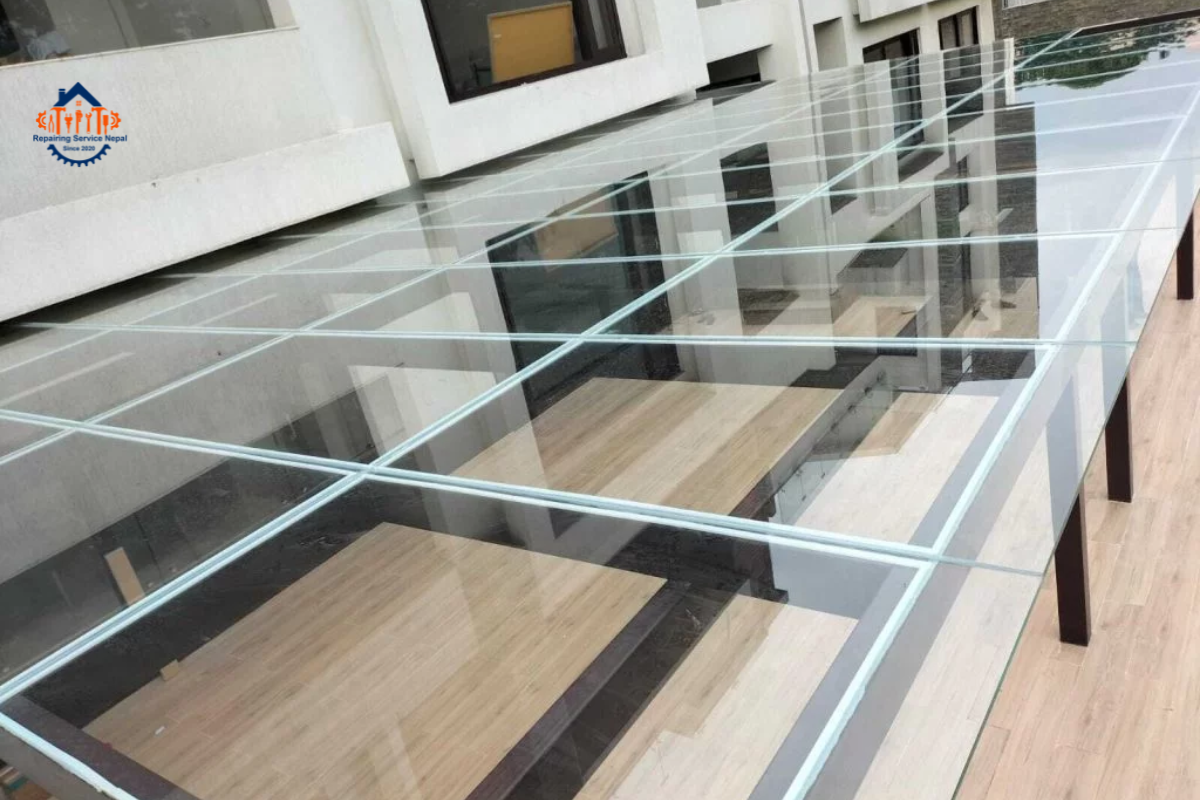
There are many glass contractors in Nepal, but not all of them give you the same quality and care. Here is what makes Repairing Service Nepal different:
Experienced Installation Team
Repairing Service Nepal has a team that has worked on many glass roof installation projects across Kathmandu and Nepal. They know the local climate, building styles, and what works in Nepal’s conditions.
Premium Quality Materials
Repairing Service uses only certified toughened glass that meets safety standards. The frames, sealants, and gaskets used are all quality materials that are built to last.
Professional Installation
Every toughened glass roof installation by Repairing Service Nepal follows a proper process, from site inspection to final quality check. No shortcuts. No rushed sealing. The team takes time to do it right.
Customized Glass Roofing Solutions
Not every terrace or balcony is the same. Repairing Service Nepal offers custom toughened glass roof solutions based on your exact space, budget, and design preference. Whether it is a simple home terrace in Kathmandu or a large commercial glass roof installation, they plan it to fit your needs.
Reliable After-Sales Support
If you ever have a problem after installation, Repairing Service Nepal stands behind their work. They offer support for maintenance, sealant checks, and glass roof repair needs after the project is done.
Conclusion
A toughened glass roof is a great choice for homes and businesses in Nepal. It is strong, safe, long-lasting, and lets more natural light into your space. With the right glass, a strong frame, and proper installation, it can give you many years of reliable use with very little maintenance.
At Repairing Service Nepal, we have helped many homeowners and businesses install safe and high-quality toughened glass roofs. Our team uses quality materials and follows the right installation process to make sure every project is built to last.
Thinking about installing a toughened glass roof? Contact Repairing Service Nepal today for expert advice and a free consultation. We are here to help you find the right glass roofing solution for your home or business.
Contact Repairing Service Nepal
Phone: 01-5921330, 9802302562
Email: info@repairingservicenepal.com
Address: Raja Janak Marg 32, Kathmandu
Frequently Asked Questions(FAQs)
Q: What is a toughened glass roof?
A: A toughened glass roof is a roof made with strong tempered safety glass fixed on a sturdy frame. It lets natural light enter while protecting your space from rain, wind, and dust. It is commonly used for home terraces, balconies, restaurants, commercial buildings, and car parking areas in Nepal.
Q: Is a toughened glass roof safe?
A: Yes, a toughened glass roof is very safe when it is installed properly. Toughened glass is 4 to 5 times stronger than normal glass. If it breaks, it shatters into small, blunt pieces instead of sharp glass, which helps reduce the risk of injury.
Q: How much does a toughened glass roof cost in Nepal?
A: The toughened glass roof price in Nepal depends on the glass thickness, frame material, roof size, and your location. Material costs usually range from NPR 3,500 to NPR 10,000 per square foot. It is always best to get a quote from a professional contractor for your project.
Q: What thickness of glass is best for roofing?
A: For most home terraces and balconies in Nepal, 10 mm toughened glass is the most common choice. Larger roofs or commercial buildings usually need 12 mm glass. Small covered areas may use 8 mm glass. A professional installer should check your roof before choosing the right thickness.
Q: Does a toughened glass roof leak?
A: A toughened glass roof should not leak if it is installed the right way. Good silicone sealant, EPDM gaskets, and proper drainage help keep water out. Most leaks happen when old sealant wears out. Checking and replacing the sealant once a year helps prevent this problem.
Q: Does a glass roof make a house hot?
A: A glass roof can become warm if the wrong type of glass is used. UV-protective or heat-reflective toughened glass helps reduce heat. Good ventilation also keeps the space cooler. Most modern glass roof installations in Nepal include these features for better comfort.
Q: How long does a toughened glass roof last?
A: A properly installed toughened glass roof can last 20 to 30 years or even longer. The glass usually stays in good condition for many years. The sealant and frame should be checked every few years to keep the roof safe, strong, and working well.
Q: Which is better: toughened glass or laminated glass for roofing?
A: Both are safety glass, but they are used for different purposes. Toughened glass is stronger and is the best choice for most toughened glass roof projects. Laminated glass stays together when broken, so it is often used for skylights above people. For most homes in Nepal, toughened glass is the better option.
Q: Is a toughened glass roof suitable for Nepal’s weather?
A: Yes, a toughened glass roof is a good choice for Nepal’s weather. It can handle heavy monsoon rain, hot summers, and cold winters. With proper sealing, drainage, and the right glass type, it gives safe and reliable performance throughout the year.
Q: How often should a glass roof be cleaned?
A: Clean your glass roof every 1 to 3 months using mild soapy water and a soft cloth. This helps keep the glass clean and clear. You should also check the sealant once a year and clean the drainage channels before the monsoon season starts.