

Whether you’re living in a modern apartment or an old house in Kathmandu or Lalitpur, ceiling damage is more common than you might expect. Issues like cracks, stains, peeling paint, and even leaks can quickly make your living space look neglected and may lead to serious structural problems if left unattended. That’s why timely and professional ceiling repair is essential to maintain your home’s safety, comfort, and value.
In this comprehensive guide, we’ll walk you through everything you need to know about ceiling repair — from addressing minor cracks and cosmetic damage to tackling severe water damage. You’ll learn about repair costs in Nepal, handy DIY tips, essential tools, and clear signs that it’s time to call in expert help. Whether you want to try simple fixes yourself or need trusted ceiling repair services near me in Kathmandu or Lalitpur, this blog has got you covered.
What Causes Ceiling Damage?
Ceiling damage is more common than many homeowners realize, especially in cities like Kathmandu, Lalitpur, and Bhaktapur, where a mix of weather conditions, aging infrastructure, and construction quality issues contribute to wear and tear. Understanding the root causes can help you take timely action and avoid expensive ceiling repair down the road.
1. Water Damage from Roof or Plumbing Leaks
One of the most frequent reasons for ceiling repair is water intrusion. Whether it’s a leaking roof during the monsoon or a hidden pipe dripping inside your walls, water damage can silently weaken your ceiling structure. Over time, this leads to brown stains, bubbling paint, soft or sagging patches, and sometimes mold.
In areas like Kathmandu, where buildings often lack proper waterproofing, these issues are not just seasonal—they can recur if left unaddressed. Quick attention to leaks and timely ceiling repair can prevent further complications and keep your home safe.
2. Cracks Due to Settling or Poor Plastering
Hairline cracks and separation lines in your ceiling can often be traced back to structural settling or poorly done plasterwork. Homes in earthquake-prone regions, or those with lightweight builds, are especially susceptible. While small cracks might seem cosmetic at first, they can widen over time and indicate underlying structural shifts.
This is a common issue in both old and new homes throughout the valley. Ignoring these signs often leads to larger ceiling repair jobs later.
3. Aging Paint and False Ceiling Degradation
Paint doesn’t last forever—especially on ceilings exposed to humidity, smoke, or temperature fluctuations. Peeling, discoloration, and bubbling are signs that your ceiling needs attention. For false ceilings, the wear and tear may show as sagging boards, loose fixtures, or cracked joints.
Regular maintenance and touch-ups can extend the life of your ceiling. However, if damage has already set in, professional ceiling repair is your best option.
4. Poor Installation or Low-Quality Materials
Many buildings in Kathmandu and Lalitpur suffer from subpar construction standards. If your ceiling was originally installed with low-grade materials or by inexperienced workers, problems can show up much earlier than expected.
You might notice uneven surfaces, visible seams, or rapid deterioration—all pointing to poor workmanship. In these cases, partial or full ceiling repair may be necessary to ensure durability and a neat finish.
So, why does my ceiling crack?:Cracks in the ceiling can form for several reasons—humidity, poor joints, temperature changes, or even the natural settling of the building over time. In Kathmandu and surrounding areas, monsoon rains, inconsistent temperatures, and moisture-heavy environments often accelerate these issues. That’s why it’s important to inspect your ceilings regularly and call for ceiling repair services as soon as you notice any signs of damage.
Types of Ceiling Damage and Repair Techniques
When it comes to ceiling repair, the type of damage often determines the best approach. Understanding the nature of the problem can save you time and money, and help you decide whether a simple DIY fix will work or if professional assistance is needed.
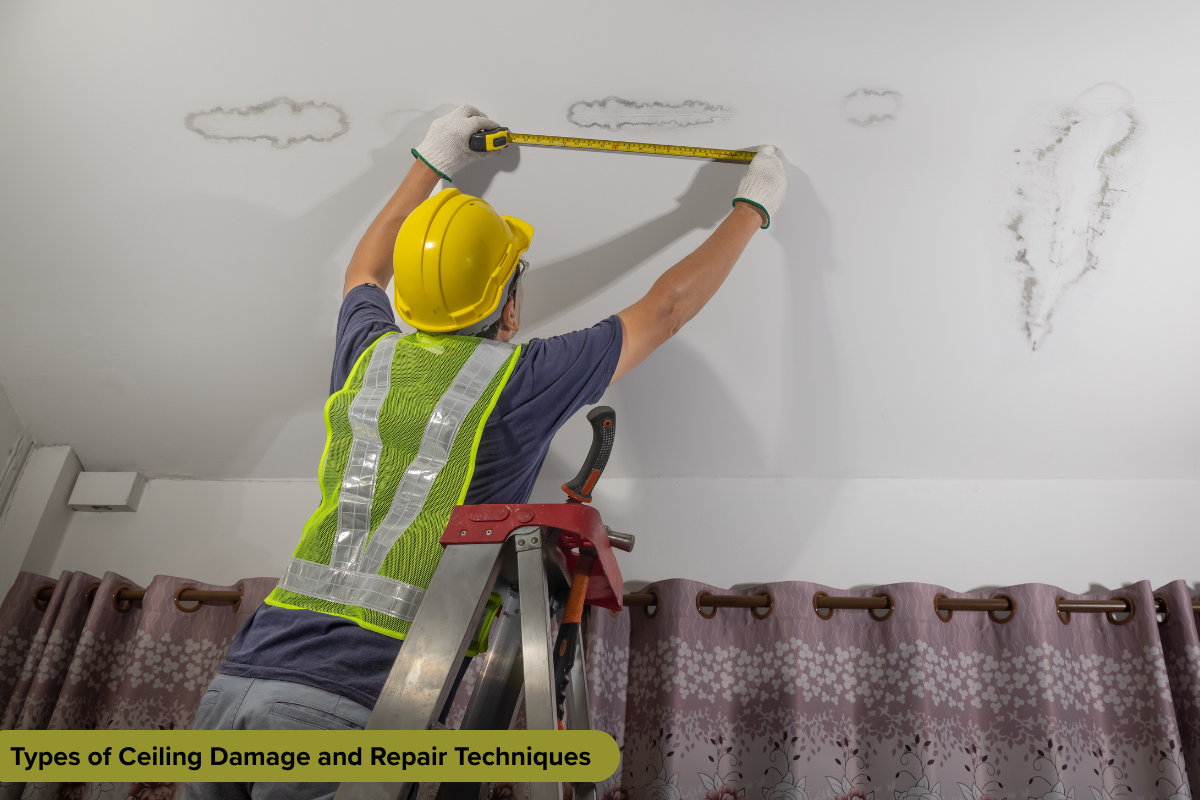
1. Hairline Cracks & Peeling Paint
Hairline cracks and peeling paint are among the most common ceiling issues, especially in homes across Kathmandu and Lalitpur. These problems are mostly cosmetic but can be an early sign of moisture or structural shifts.
For minor cracks or paint peeling, a ceiling repair kit usually suffices. The process involves cleaning the affected area, filling the cracks with a joint compound or filler, sanding the surface smooth, applying a primer, and repainting.
Sanding and priming are crucial steps before repainting, as they ensure the new paint adheres properly and lasts longer. Regular upkeep of hairline cracks not only keeps your ceiling looking fresh but also prevents them from expanding into bigger issues that require costly ceiling repair services near me.
2. Water-Damaged Ceilings
Water damage is one of the most urgent reasons to seek ceiling repair. If you notice brown stains, bubbling paint, or soft, sagging patches on your ceiling, these are clear signs of water intrusion — often from roof leaks or plumbing issues.
How do you repair a ceiling after a leak?
The repair process involves several critical steps:
-
Stop the leak: Before any repair can begin, the source of water must be identified and fixed, whether it’s a faulty roof, damaged gutter, or leaking pipe.
-
Dry the area thoroughly: Moisture trapped in ceiling materials can lead to mold growth. Using fans, dehumidifiers, or hair dryers helps speed up drying.
-
Remove damaged paint or plaster: Any compromised material must be scraped off to create a stable surface.
-
Apply joint compound or plaster: This restores the ceiling’s surface, filling holes and smoothing out irregularities.
-
Sand and repaint: Use fine sandpaper to level the repaired area. When repainting, always apply a stain-blocking primer first to prevent water stains from bleeding through your fresh coat.
How to dry a ceiling quickly?
Fans and dehumidifiers are effective tools. In Kathmandu’s humid climate, this step is essential to avoid mold or mildew, which can cause health issues and further damage.
How to repaint a ceiling after a leak?
Use high-quality stain-blocking primers designed for water stains. These seal the damaged area and provide a clean base for your paint.
3. Large Holes or Sagging Ceilings
When damage goes beyond cracks or stains to large holes or sagging sections, more intensive ceiling repair is necessary.
How to fix a large hole in the ceiling?
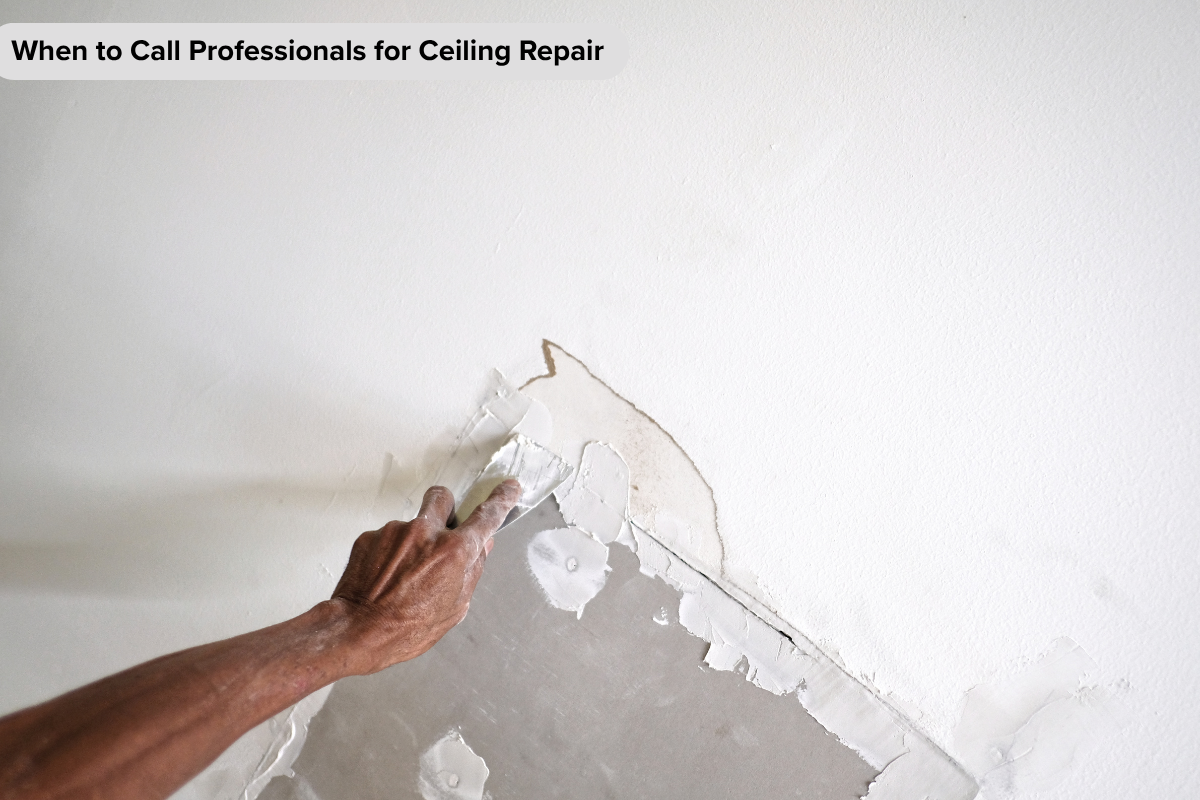
Repairing a large hole involves cutting out the damaged section, installing new drywall or plasterboard, taping the seams, applying joint compound, sanding smooth, and finally painting. This process can be labor-intensive and often requires professional skills to ensure a seamless finish.
How to fix a small ceiling hole?
For smaller holes, such as those caused by nails, fixtures, or minor impacts, patching with mesh or filler compound works well. After applying the patch, allow it to dry, sand the surface, and paint over it. This is a common and cost-effective solution for minor ceiling damage and can often be done as a DIY project.
When to Call Professionals for Ceiling Repair?
While many minor ceiling repairs can be handled at home, some situations demand professional expertise — especially in Kathmandu and surrounding areas where traditional building methods and weather can complicate repairs.
Consider calling experts like Repairing Service Nepal when:
-
Damage is extensive or structural
-
You see signs of mold or persistent leaks
-
The ceiling is sagging or unstable
-
You want guaranteed quality with lasting results
Professional ceiling repair services can save you time, reduce risk, and provide peace of mind with their experience handling a variety of ceiling materials and damage types.
Common Ceiling Materials & How to Repair Them
Ceilings come in various materials, each with its own characteristics and repair needs. Knowing what type of ceiling you have helps determine the right ceiling repair method and ensures long-lasting results. In Kathmandu, Lalitpur, and surrounding areas, plaster and drywall ceilings are among the most common.
Plaster Ceilings
Plaster ceilings are traditional and found in many older homes and buildings in Lalitpur and Kathmandu. They offer a smooth, elegant finish but can be more delicate when damaged.
How to repair a plaster ceiling?
Repairing plaster requires some skill and the right materials:
-
Start by applying a bonding agent to ensure the new plaster adheres well.
-
Use a patching plaster to fill cracks or damaged areas.
-
For larger cracks or holes, stabilize the surface with mesh tape before plastering.
-
Once dry, sand the area smooth and repaint.
Plaster ceiling repair can be tricky, especially in historic or older homes where materials may be brittle. In such cases, experienced professionals specializing in ceiling repair in Lalitpur can ensure the job is done carefully to preserve the structure’s integrity.
Drywall Ceilings
Drywall ceilings are increasingly common in modern construction around Kathmandu due to their affordability and ease of installation.
Drywall ceiling repair tends to be simpler than plaster:
-
Small cracks and water spots can be repaired using joint compound and drywall tape.
-
After applying and smoothing the compound, sanding and painting complete the process.
Drywall ceiling repair cost in Nepal typically ranges from Rs. 150 to Rs. 350 per square foot, depending on the extent of damage and labor charges. This makes drywall a cost-effective option for ceiling repair in residential and commercial properties.
Ceiling Leak Repair – When Water Is the Enemy
Water leaks are one of the most damaging problems a ceiling can face. Ignoring leaks can lead to mold growth, structural weakening, and even ceiling collapse. Prompt ceiling repair services near me are vital to address this issue quickly.
How to repair a leak in a ceiling?
-
Identify the source — leaks usually come from a damaged roof or faulty plumbing pipes. In Kathmandu and Lalitpur, monsoon rains often worsen roof leaks.
-
Stop the leak immediately — patch the roof or fix the plumbing issue to prevent further water intrusion.
-
Cut out water-damaged areas — remove any softened plaster, drywall, or paint that has been compromised.
-
Dry the affected spot thoroughly — use fans or dehumidifiers to eliminate moisture.
-
Apply filler or joint compound to restore the ceiling surface.
-
Sand, prime, and paint — use a stain-blocking primer to prevent water stains from showing through the paint.
Ceiling leak repair should never be delayed. Prolonged exposure to moisture can cause mold growth, which poses health risks and damages your home further.
What to Use for a Leaking Ceiling?
Temporary measures like silicone sealants, waterproof membranes, or even tarps can help minimize water damage before a full repair is done. However, these are only stop-gap solutions.
For a lasting fix, roof repair or pipe replacement combined with proper waterproofing is essential — particularly for older buildings common in Kathmandu, where aging materials are more susceptible to leaks.
How to Solve Ceiling Leakage?
Effective ceiling leak solutions often involve:
-
Roof repairs: fixing broken tiles, cracks, or damaged gutters to prevent rainwater from entering.
-
Plumbing repairs: replacing or sealing leaking pipes inside walls or ceilings.
-
Waterproofing: applying waterproof coatings on roofs and ceilings to create a barrier against moisture.
Timely and professional ceiling repair services in Kathmandu can help detect these issues early and provide comprehensive solutions to protect your home.
Ceiling Repair Cost in Nepal
When planning any home improvement, understanding the ceiling repair cost is crucial. In Nepal, especially in Kathmandu, Lalitpur, and Bhaktapur, prices vary depending on the type and extent of damage, the materials used, and labor charges.
What factors influence ceiling repair costs?
-
Type of Damage: Minor cracks, water stains, or peeling paint will cost less than major repairs involving structural fixes or mold remediation.
-
Material: Plaster, gypsum board, false ceilings, or plywood each have different costs and repair complexities.
-
Labor Charges: Skilled labor for plaster ceiling repair or false ceiling replacement can affect pricing.
-
Area to be Fixed: Naturally, larger areas or multiple rooms will increase the total cost.
Average Price Ranges:
-
Minor repairs such as small cracks or paint touch-ups usually cost between Rs. 500 to Rs. 1,000.
-
Moderate damage, including patching larger holes or fixing water damage, can range from Rs. 1,000 to Rs. 3,000.
-
Full ceiling replacement often starts at Rs. 5,000 and above, depending on the size and material.
Water damage ceiling repair costs can increase significantly if hidden plumbing issues or mold remediation is involved, which requires additional labor and materials.
For example, how much does it cost to have a ceiling repair in Kathmandu for a typical 10×10 ft room? You can expect to pay anywhere between Rs. 2,000 to Rs. 4,500, based on the damage severity and ceiling type.
Are ceilings expensive to replace?
Yes, full ceiling replacements can be more costly, often ranging from Rs. 100 to Rs. 250 per square foot, especially for intricate false ceilings that require professional installation.
Ceiling Repair Tools and Kits
Not every ceiling problem requires calling a professional immediately. For minor cracks, holes, or peeling paint, you might find it handy to have a ceiling repair kit on hand. These kits allow for simple, cost-effective fixes that improve your ceiling’s appearance and prevent further damage.
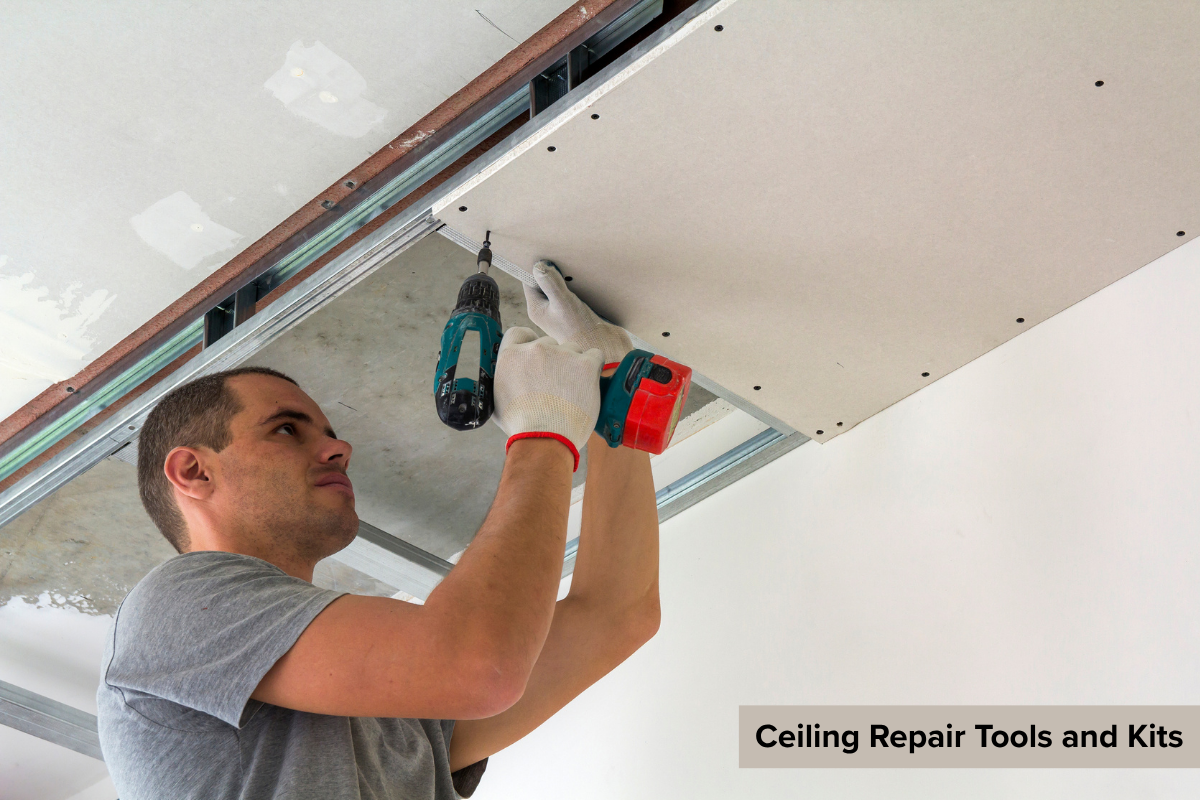
A typical ceiling repair kit includes:
-
Filler compound: To fill cracks, holes, and uneven surfaces.
-
Joint tape: Used for stabilizing larger cracks or joints.
-
Sandpaper: For smoothing the patched areas before painting.
-
Putty knife: For applying filler evenly.
-
Primer: Essential to seal repairs and prepare the surface for paint.
These kits are widely available at local hardware stores throughout Kathmandu and can also be purchased online for convenience.
Using the right tools and materials can save you money and time, but for extensive damage or structural concerns, professional ceiling repair services near me in Kathmandu or Lalitpur remain the best choice.
Common DIY Questions Answered
Can I repair a ceiling myself?
Yes, for minor issues like cracks or small holes. Use a ceiling repair kit and follow tutorials.
Is ceiling work expensive?
It depends on the scale. Patch jobs are cheap; full ceiling jobs are costly.
Can a crack in the ceiling be repaired?
Absolutely, using mesh tape, filler, and paint.
Should I repair or replace my ceiling?
If there’s recurring leakage, structural damage, or mold, replacing might be wiser.
What is the cheapest way to replace a ceiling?
Using gypsum boards or PVC panels is budget-friendly.
False Ceiling: Replace or Repair?
False ceilings are popular in many homes and offices across Kathmandu, Lalitpur, and Bhaktapur due to their aesthetic appeal and ability to conceal wiring and pipes. But like any ceiling, false ceilings can suffer damage over time and may need repair or replacement.
How to replace a false ceiling?
Replacing a false ceiling involves several important steps to ensure a clean and durable finish:
-
Dismantle the existing panels: Carefully remove the damaged or old false ceiling panels without affecting the underlying structure.
-
Replace damaged boards: Install new gypsum, POP (Plaster of Paris), or PVC panels as needed.
-
Repaint or refinish: Once replaced, repaint the new ceiling or apply the desired finish to restore the ceiling’s appearance.
Is a false ceiling costly?
The cost of replacing or repairing a false ceiling varies based on the materials used and the design complexity. Gypsum and POP panels are common choices offering a balance of cost and durability, while PVC panels can be more affordable and resistant to moisture—an important consideration in Kathmandu’s humid climate.
Complex designs, such as layered or curved false ceilings with embedded lighting, can increase costs due to extra labor and materials. However, false ceiling repair or replacement doesn’t always have to be expensive if handled timely and by professionals experienced in ceiling repair services in Kathmandu.
Preventing Future Ceiling Damage
Prevention is always better than cure, especially when it comes to maintaining a healthy ceiling. Taking simple, proactive steps can extend the life of your ceiling and reduce the need for costly ceiling repair.
How do I prevent ceiling damage?
Here are some practical tips:
-
Fix roof leaks early: Regularly inspect your roof for damaged tiles, cracks, or blocked gutters to avoid water seeping into your ceiling.
-
Regular plumbing checks: Plumbing leaks can cause hidden water damage to ceilings. Schedule routine inspections, especially in older homes.
-
Use waterproof paint: Applying waterproof or moisture-resistant paint on ceilings can protect against humidity and minor leaks.
-
Install proper ventilation: Good airflow reduces condensation and humidity build-up, common causes of ceiling damage.
-
Clean mold and mildew regularly: Mold can cause both health problems and structural damage. Use appropriate cleaning solutions to keep ceilings mold-free.
How to fix a ceiling before painting?
Before painting, always sand rough or cracked areas, prime surfaces with stain-blocking primer, and seal any cracks or stains. Painting over damaged or untreated areas leads to peeling and uneven finishes, which shortens the lifespan of your ceiling paint.
How to fix something to a ceiling?
If you want to hang lights, fans, or décor items, use the correct hardware like toggle bolts, anchors, or ceiling hooks. This ensures a secure fix without damaging the ceiling surface.
These preventive measures and repair tips will help you maintain a sturdy, attractive ceiling and avoid unexpected repair costs in the future. If you ever need professional help, Repairing Service Nepal offers expert ceiling repair and maintenance services across Kathmandu and Lalitpur.
Covering Up: Making Ceilings Look Better
A damaged or dull ceiling can take away from your home’s overall appeal. Luckily, there are many ways to improve your ceiling’s look without costly replacements.

How can I make my ceiling look better?
-
Repaint with ceiling-specific colors: Choose paints formulated for ceilings—they often have a flat finish that hides imperfections better than regular wall paint.
-
Add a false ceiling or wooden panels: Installing a false ceiling not only hides damage but also adds a modern, stylish touch. Wooden panels can bring warmth and texture.
-
Use LED strips or decorative molding: LED lighting along ceiling edges or decorative moldings can enhance the ambiance and distract from minor flaws.
How to cover damaged ceilings?
-
Skim coat for uniformity: Applying a skim coat—a thin layer of plaster—can smooth out uneven surfaces and cracks, preparing your ceiling for repainting.
-
Use ceiling wallpaper or paneling: For a quick aesthetic upgrade, decorative wallpaper or ceiling panels can mask imperfections while adding personality to your space.
When Should You Replace Your Ceiling?
Knowing when to repair and when to replace your ceiling can save you money and headaches.
When to replace a ceiling?
-
If your ceiling is sagging or shows signs of structural failure.
-
After major water damage that has compromised the material.
-
If mold is present and has penetrated deep.
-
When the ceiling is over 25 years old and shows extensive wear.
Is it easy to replace a ceiling?
Ceiling replacement is a challenging job requiring skill and experience. For residents of Kathmandu or Lalitpur, it’s best to hire professionals to ensure safety and quality workmanship.
Can a ceiling be fixed?
Yes, many ceiling issues like cracks, minor holes, or stains can be repaired without full replacement—unless the ceiling’s structural integrity is compromised.
How to repair ceiling cracks?
A reliable method involves applying a joint compound, reinforcing with mesh tape, then priming and painting the area. This technique provides a smooth, durable finish.
Local Help: Ceiling Repair Near Kathmandu & Lalitpur
If you’re searching for ceiling repair near me in Kathmandu or Lalitpur, Repairing Service Nepal offers expert and affordable services to handle all your ceiling needs.
Our services include:
-
Ceiling leak repair to stop and fix water damage
-
Water damage treatment including drying, mold removal, and surface restoration
-
False ceiling installation & repair for aesthetic and functional upgrades
-
Painting and crack sealing to refresh your ceiling’s look
With skilled technicians, competitive rates, and quick turnaround, Repairing Service Nepal is your trusted partner for all ceiling repair services in Kathmandu, Lalitpur, and surrounding areas.
Frequently Asked Questions
How do I repair my ceiling?
First, identify the type of damage—whether it’s cracks, water stains, or holes. Gather necessary tools like filler compound, joint tape, sandpaper, and primer. Clean the damaged area, fill or patch cracks and holes, sand the surface smooth, then repaint using ceiling-specific paint for a professional finish.
How much does ceiling repair cost in Nepal?
Ceiling repair costs vary based on damage type, material, and labor. On average, expect to pay between Rs. 100 to Rs. 250 per square foot for repairs or replacement, with minor repairs costing less and complex jobs, such as false ceiling repair, costing more.
How do I replace damaged ceiling sections?
To replace damaged parts, carefully cut out the affected area, fit new drywall, plasterboard, or false ceiling panels, tape and plaster the seams, sand smooth, and repaint. For extensive damage, professional ceiling repair services near me can ensure the job is done correctly.
Can a ceiling be completely replaced?
Yes. Many homeowners in Kathmandu and Lalitpur replace their ceilings with materials like gypsum, POP, or PVC panels. Full replacement is recommended when the ceiling is extensively damaged, sagging, or over 25 years old.
What causes ceiling cracks and how can they be fixed?
Ceiling cracks often result from building settling, humidity, or poor construction joints. Fix them by cleaning the crack, applying mesh tape, covering with joint compound, sanding, priming, and repainting for a smooth finish.
How can I prevent ceiling damage in my home?
Prevent damage by fixing roof leaks early, performing regular plumbing checks, using waterproof paint, ensuring proper ventilation, and cleaning mold or mildew promptly.
What tools do I need for simple ceiling repair?
Basic ceiling repair requires filler compound, joint tape, sandpaper, a putty knife, and primer. These tools are available in local hardware stores in Kathmandu or online.
How long does ceiling repair take?
Small repairs like patching cracks or holes usually take a few hours, including drying time. Larger repairs or replacements may take several days depending on damage extent and drying conditions.
Final Thoughts
Ceiling repair is much more than just a cosmetic task—it plays a vital role in maintaining your home’s structural health, safety, and overall value. From fixing leaks to patching plaster cracks, addressing ceiling issues promptly can save you from costly and extensive damage later.
Whether you live in Kathmandu, Lalitpur, or nearby areas, it’s important to rely on trusted and experienced professionals to ensure quality results and lasting repairs.
If you need reliable ceiling repair near Kathmandu or Lalitpur, don’t wait until small problems turn into big expenses. Contact Repairing Service Nepal for expert ceiling repair and maintenance services you can trust.
Visit: https://repairingservicenepal.com
Phone: +977–9818500185
Address: Raja Janak Marg, Tinkune – Kathmandu