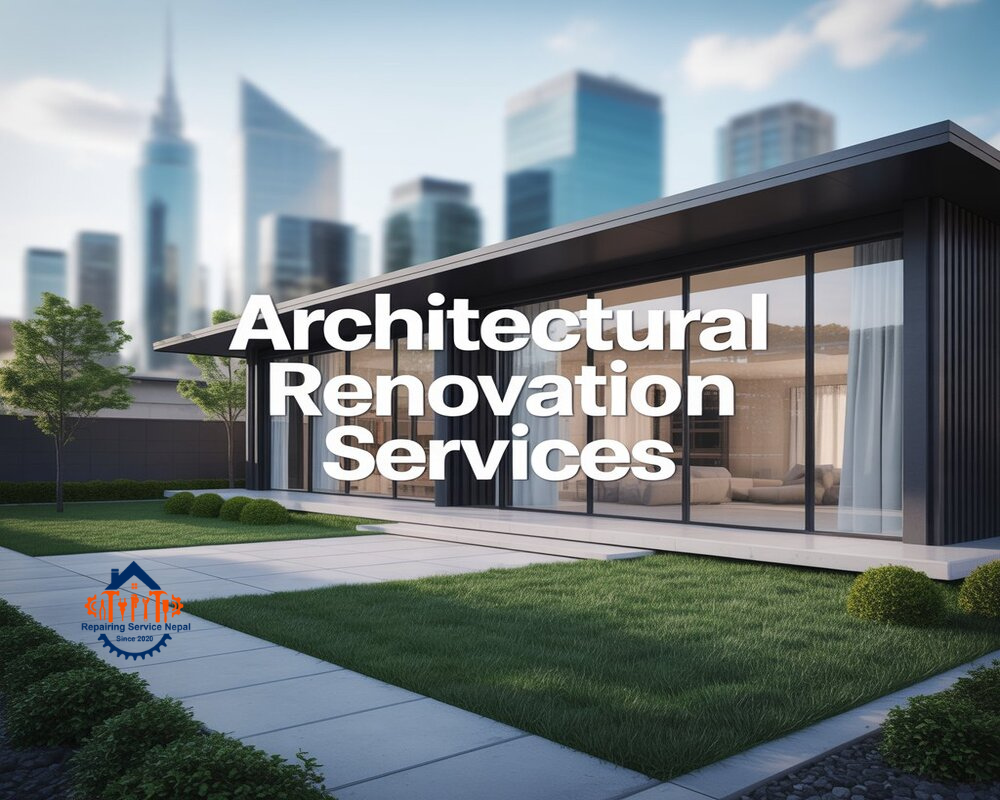
Architectural renovation services in Nepal are undergoing a significant and dynamic shift, reshaping not just the physical appearance of buildings but also the way people experience and interact with their living and working spaces. Several key factors are driving this change: the rapid pace of urban development, the growing influence of modern lifestyles, and an increasing awareness of sustainability and eco-friendly practices. As cities expand and living standards evolve, renovation is no longer seen as a temporary fix or a cosmetic upgrade. Instead, it has become a thoughtful, large-scale transformation that balances aesthetics, functionality, and cultural identity.
What makes architectural renovation services in Nepal particularly unique is its ability to merge the rich architectural heritage of the country with contemporary design principles. Many projects aim to preserve traditional elements such as wood carvings, courtyards, or stone structures, while integrating modern amenities, open layouts, and eco-friendly solutions like solar panels, water recycling systems, and energy-efficient materials. This blend ensures that while progress is embraced, cultural authenticity remains intact.
More than ever, architectural renovation services in Nepal are proving to be the smarter alternative to rebuilding. It saves costs, reduces environmental impact, and allows gradual improvements that can adapt to changing needs over time. Ultimately, architectural renovation services in Nepal are not just about restoring buildings—it’s about redefining lifestyles, fostering sustainability, and creating spaces that truly reflect the aspirations and values of today’s generation.
The Growing Demand for Architectural Renovation in Nepal
Urban hubs across Nepal, including Kathmandu, Pokhara, and Lalitpur, are witnessing rapid modernization. Rising land costs and limited availability have made architectural renovation services in Nepal an increasingly attractive option. Instead of demolishing historic properties, homeowners are choosing to restore and upgrade them—keeping cultural heritage intact while enjoying modern conveniences. The demand for architectural renovation services in Nepal is at an all-time high, driven by skyrocketing property prices that make preservation financially smart, growing urban housing shortages pushing people to repurpose existing structures, the aspiration for improved living standards, and a collective shift toward environmentally sustainable practices.
Blending Tradition with Modern Architecture
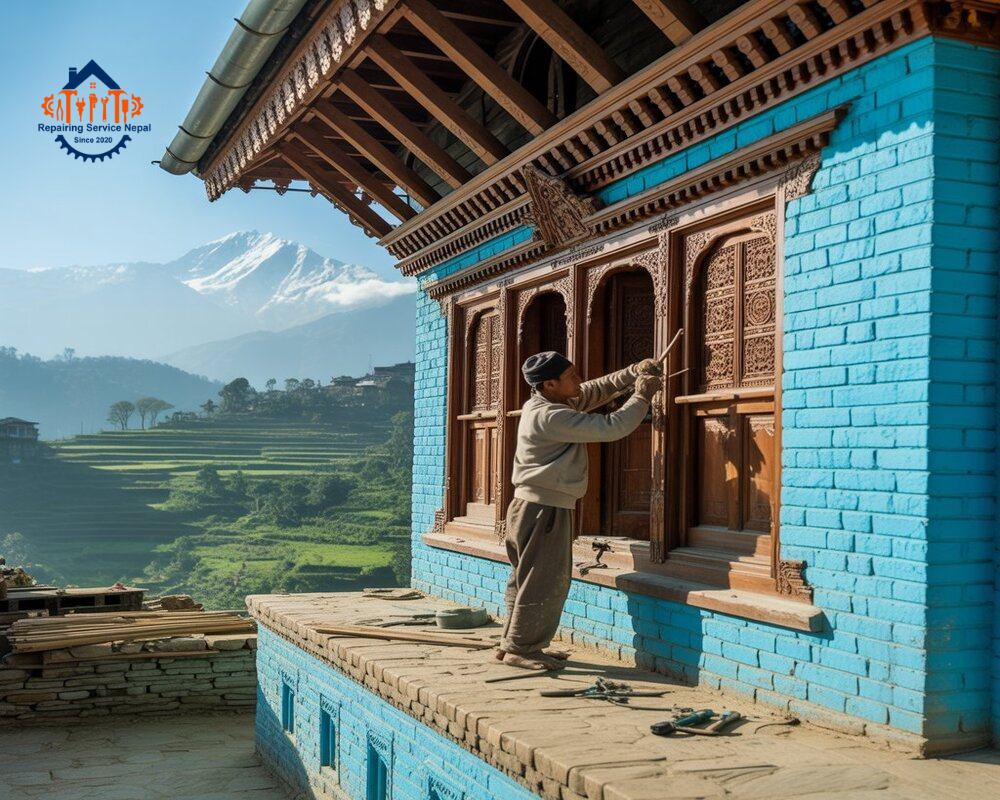
One of the most captivating aspects of architectural renovation services in Nepal is the way it beautifully intertwines tradition with modern innovation. The country’s architectural identity—shaped by centuries-old Newari homes, graceful pagoda-style structures, and heritage buildings—serves as a foundation for modern transformation. Rather than replacing these historical treasures, homeowners and architects are embracing an approach that honors the past while accommodating the needs of contemporary living.
For example, centuries-old brick houses are being skillfully reinforced and redesigned with sleek modular kitchens, blending the warmth of tradition with the convenience of modern culinary spaces. Intricately carved wooden windows, a signature feature of Newari craftsmanship, are being paired with elegant glass panels to create a balance between heritage artistry and contemporary aesthetics. Likewise, ancient stone courtyards, which have long served as communal spaces, are being preserved and revitalized while incorporating advanced plumbing, modern lighting systems, and efficient wiring to meet today’s standards.
This process is not simply about upgrading infrastructure—it is about storytelling through architecture. Every restored building embodies the narrative of cultural preservation, sustainability, and progress. The seamless coexistence of tradition and modernity is not only redefining Nepal’s architectural landscape but also inspiring a new generation of designers, builders, and homeowners to view architectural renovation services in Nepal as a pathway to sustainable urban development. In this way, Nepal is crafting a unique architectural future where heritage and innovation live side by side in harmony.
Sustainable Architectural Renovation Services
With the rising urgency of climate change, sustainable architectural renovation services in Nepal are rapidly gaining momentum, reshaping how buildings are designed and developed. Today, more architectural firms are adopting eco-friendly approaches that not only safeguard the environment but also ensure long-term affordability and resilience. These practices emphasize the use of locally sourced materials to minimize transportation emissions, energy-efficient lighting and appliances to cut down on electricity use, solar panels to generate clean, renewable energy, and rainwater harvesting systems to promote responsible water management. Together, these solutions are creating buildings that are smarter, greener, and better suited to Nepal’s environmental and social context.
What makes sustainable architectural renovation services in Nepal particularly compelling is that its benefits extend beyond environmental responsibility. Homeowners and businesses alike enjoy significant financial advantages, as energy-efficient designs lower monthly utility bills while durable, low-maintenance materials reduce ongoing costs. In addition, many eco-friendly features—such as natural ventilation, thermal insulation, and passive solar design—improve indoor comfort, making spaces healthier and more enjoyable to live or work in.
This thoughtful balance of economy, ecology, and culture is positioning sustainable architectural renovation services in Nepal as a vital component of Nepal’s urban growth. By blending traditional wisdom—such as climate-adaptive building methods—with innovative green technologies, these projects reflect the country’s cultural identity while addressing modern lifestyle needs. Ultimately, sustainable architectural renovation services in Nepal are not just a trend; it is a forward-looking solution that harmonizes environmental stewardship, economic practicality, and the aspirations of a new generation committed to building a more resilient and responsible future.
Smart Homes and Technological Integration
Modern architectural renovation services in Nepal go beyond aesthetics—it is also about embracing advanced technology. Homeowners are increasingly incorporating smart solutions that enhance both convenience and efficiency. Popular upgrades include smart lighting systems that adjust to mood and energy needs, automated security solutions that ensure safety through real-time monitoring, energy monitoring devices that help reduce consumption and lower costs, and voice-controlled appliances that bring ease to everyday living.
These innovations highlight the rise of smart homes in Nepal, where traditional architecture and modern technology converge. By integrating digital systems into renovated spaces, homeowners are not only enjoying greater comfort and security but also contributing to energy efficiency and sustainable living. This fusion of design and technology is redefining the way people experience their homes in Nepal’s rapidly evolving urban landscape.
The Role of Interior Design In Renovation
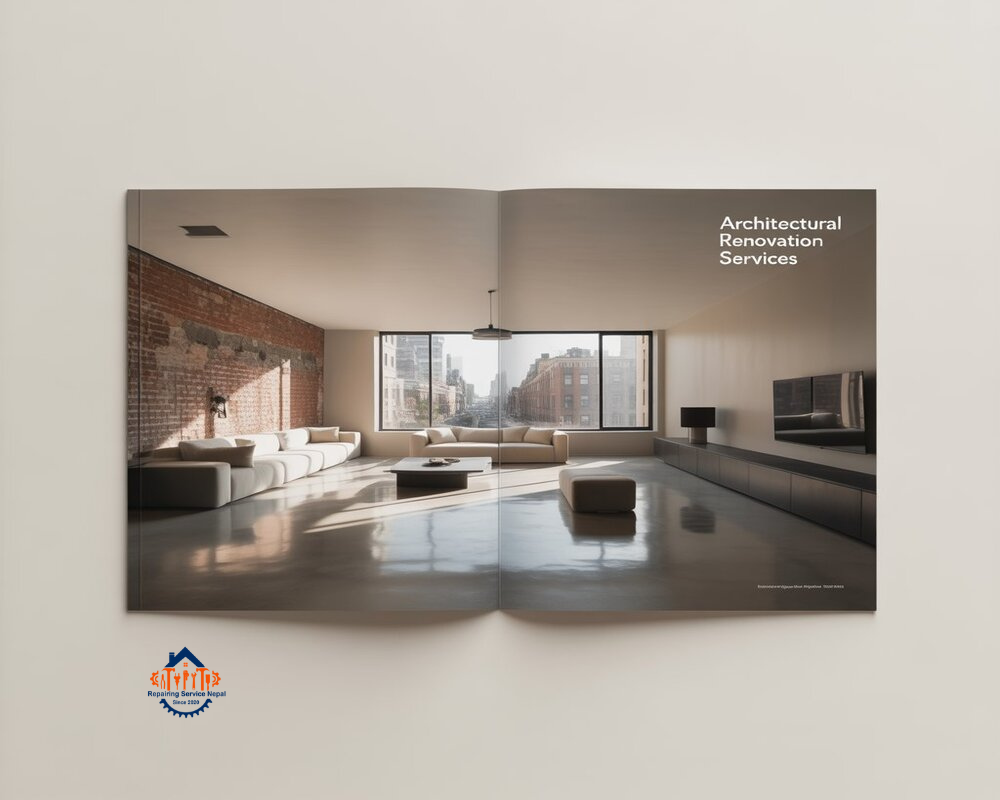
Architectural renovation services in Nepal are closely intertwined with interior design enhancements, creating a holistic approach to modern living. Renovation projects often go beyond structural upgrades to reimagine interiors in ways that maximize comfort and style. Popular trends include open floor concepts that improve space utilization and flow, modern furniture layouts that balance aesthetics with practicality, minimalist designs that highlight simplicity and functionality, and the use of natural light to create bright, airy environments. Additionally, earthy tones blended with contemporary styles are becoming a preferred choice, bringing warmth and elegance into living spaces.
This seamless integration of architecture and interior design ensures that homes are not only structurally revitalized but also visually appealing and highly functional. The result is a harmonious living environment that reflects both cultural character and modern lifestyle aspirations.
Renovation for Earthquake Safety
Nepal, situated in a highly seismically active region, has witnessed a significant rise in structural renovation projects focused on earthquake resilience. To ensure safety and durability, engineers and architects are working closely together on solutions that include strengthening building foundations, retrofitting older structures to meet modern safety standards, and utilizing flexible yet durable materials that can better withstand seismic activity.
These structural upgrades go beyond physical reinforcement—they offer homeowners a sense of security and peace of mind. By combining traditional architectural elements with advanced engineering techniques, such architectural renovation services in Nepal are helping to create safer, more resilient communities across Nepal.
Cost-Effectiveness of Renovation vs. Reconstruction
For many families in Nepal, choosing renovation over rebuilding an entirely new house has become a practical and cost-effective solution. Renovation services allow homeowners to make meaningful improvements to their living spaces without taking on the overwhelming financial strain of full-scale construction. By reusing existing materials such as bricks, wood, and stone, families can significantly cut down on expenses while also maintaining the charm and authenticity of their original homes. This approach not only saves money but also contributes to sustainable practices by minimizing waste and resource consumption.
Another advantage of architectural renovation services in Nepal is their flexibility. Unlike building a new home, which demands a large one-time investment, renovations can be done gradually, according to budget and priority. Families often choose to upgrade different parts of their property step by step—such as modernizing the kitchen first, then improving the bathroom, and later enhancing the exterior. This phased approach makes the process more financially manageable and less disruptive to daily life.
For Nepal’s growing middle class, renovation has emerged as the preferred choice. It allows them to enjoy modern comforts, upgrade their lifestyle, and enhance property value, all while keeping expenses within reach. Moreover, by extending the life of existing structures, renovation ensures that homes remain strong, functional, and aligned with contemporary living standards. In this way, renovation is not just an affordable option—it is a smart, sustainable strategy that balances practicality, cultural heritage, and modern aspirations.
Architectural Renovation Services in Nepal in Commercial Spaces
Architectural renovation services in Nepal is no longer confined to private homes; it has become a driving force in the transformation of commercial spaces across the country. Businesses of every scale, from boutique hotels and cozy restaurants to large corporate offices, are recognizing the value of redesigning their spaces to meet the expectations of today’s dynamic market. This movement is not just about updating appearances—it is about reimagining spaces in ways that enhance customer experiences, build stronger brand identities, and fuel long-term success.
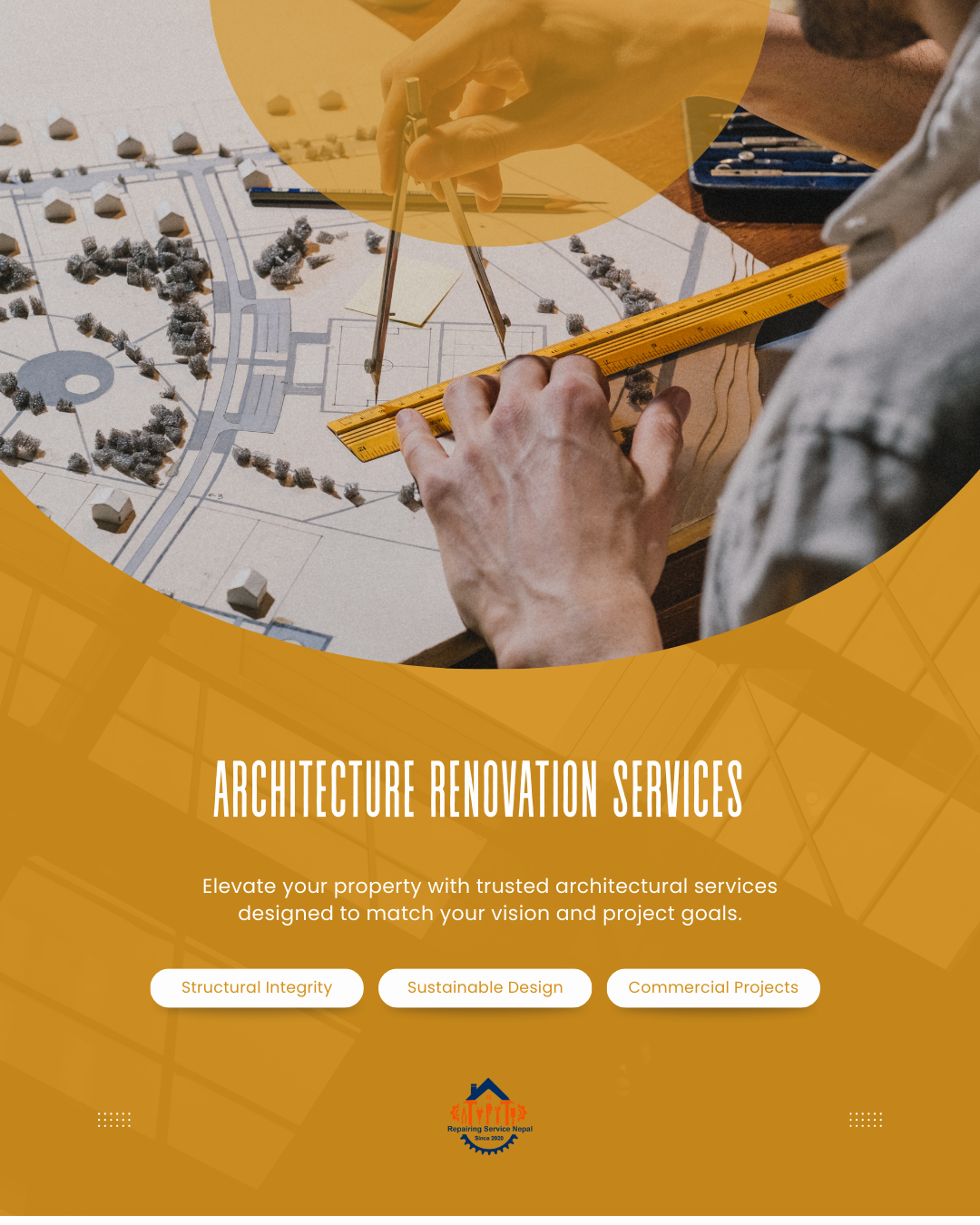
Boutique hotels, for instance, are setting new standards by blending Nepal’s timeless heritage with modern luxury. Many are carefully preserving traditional architecture—such as intricately carved wooden windows, stone facades, and open courtyards—while integrating contemporary comforts like minimalist interiors, smart technologies, and eco-friendly amenities. This fusion creates a unique atmosphere that appeals to both local and international guests, offering them an experience that feels authentic yet modern.
Restaurants, on the other hand, are rethinking their design to cater to the social media-driven age. Interiors are being transformed with creative lighting, vibrant wall art, and culturally inspired decor that not only enhances the dining experience but also encourages customers to share their visits online. These “Instagram-worthy” spaces serve as powerful marketing tools, helping businesses expand their reach and attract new clientele.
Corporate and co-working spaces are also undergoing a dramatic shift. Instead of closed, traditional office designs, companies are embracing open layouts that promote collaboration, creativity, and employee well-being. Features such as flexible workstations, natural lighting, green spaces, and break-out areas are being incorporated to reflect modern workplace trends. These innovations not only improve employee satisfaction and productivity but also position businesses as forward-thinking organizations ready to adapt to global standards.
What makes these commercial renovations even more impactful is their strategic nature. Beyond aesthetics, they are designed to deliver measurable benefits: attracting more customers, building loyalty, strengthening brand image, and ultimately driving revenue growth. In a rapidly evolving economy like Nepal’s, where competition is intensifying across hospitality, food, retail, and corporate sectors, investing in architectural renovation has become a necessity rather than a luxury.
Government Policies and Support
The Nepalese government has been actively encouraging architectural renovation services in Nepal through a range of supportive initiatives. Heritage building conservation programs are helping preserve the nation’s architectural identity, while subsidies for eco-friendly construction incentivize homeowners and builders to adopt sustainable practices. In addition, urban planning policies increasingly favor renovation over demolition, ensuring that cities grow in a way that respects both culture and the environment.
This government support not only sustains the growth of the renovation sector but also strikes a vital balance between modernization and cultural preservation. By aligning development goals with heritage conservation, Nepal is fostering a future where progress and tradition coexist harmoniously.
Challenges Faced by the Renovation Industry
Despite rapid growth, the architectural renovation services in Nepal faces several challenges:
Complex Bureaucracy & Delays
- Lengthy approval processes for permits and subsidies.
- Excessive paperwork discourages homeowners and builders.
- Lack of coordination between local and central government offices.
Limited Awareness & Accessibility
- Many citizens are unaware of available subsidies or programs.
- Information is not easily accessible, especially in rural areas.
- Policies are often written in technical/legal language, making them hard to understand.
Unequal Implementation
- Urban areas benefit more than rural or remote regions.
- Heritage programs may prioritize famous sites while ignoring smaller cultural landmarks.
- Wealthier homeowners can access eco-friendly subsidies more easily than lower-income groups.
Cultural Preservation vs. Modern Needs
- Balancing modernization with heritage rules can create conflicts.
- Restrictions on altering old structures may frustrate homeowners who want modern facilities.
- Some people view heritage conservation as limiting personal property rights.
Corruption & Mismanagement
- Funds may be misused or diverted.
- Nepotism and favoritism in selecting renovation projects.
- Lack of transparency in subsidy allocation.
Inconsistent Policy Enforcement
- Regulations are not uniformly enforced across regions.
- Frequent changes in policies due to political instability create uncertainty.
- Builders and homeowners may be confused by overlapping or contradictory rules.
Sustainability Challenges
- Eco-friendly materials may be expensive or not locally available.
- Resistance from traditional builders unfamiliar with green construction.
- Short-term mindset of some homeowners who prefer cheaper, less sustainable options.
Public Perception & Trust Issues
-
- Skepticism about whether government programs truly benefit citizens.
- Concerns that policies are more about image than actual support.
- Lack of success stories shared publicly reduces trust and motivation.
However, as awareness spreads and demand rises, these challenges are being gradually addressed by innovative architectural firms.
The Future of Renovation in Nepal
The future of architectural renovation services in Nepal looks highly promising, driven by growing demand for smart, sustainable, and stylish living solutions. The shift toward green-certified buildings, increased use of prefabricated materials, and community-driven architectural renovation services in Nepal initiatives highlights a strong commitment to eco-friendly and innovative design. Moreover, the expansion of renovation services into rural areas ensures that modernization is not limited to cities but benefits communities across the nation. As these trends continue, renovation will remain a key force in shaping Nepal’s living standards, blending tradition with modernity, and paving the way for a more sustainable and connected future.
For the most reliable, affordable, and hassle-free renovation services in Nepal, trust Repairing Services Nepal to bring your dream space to life. We combine quality craftsmanship, innovative solutions, and a customer-first approach to ensure your renovation experience is smooth, transparent, and tailored to your needs. Don’t just settle for ordinary—let us help you create a home or workspace that truly reflects your style, values, and vision. Get in touch with us today and take the first step toward building the space you deserve.
Contact Us Today!
Phone: 01-5921330, 9802302562
Email: info@repairingservicenepal.com
Website: www.repairingservicenepal.com
Address: Raja Janak Marg 32, Kathmandu
FAQ
Q1.How much do architectural renovation services in Nepal cost?
A: Architectural renovation services in Nepal, typically range from NPR 1,500 to NPR 5,000 per square foot. The cost can vary significantly based on factors like the complexity of the design, the materials used, and the extent of the renovation.
Q2.How much should i budget for interior design?
A: Allocating about 7-10% of the home’s value for interior design expenses is a general rule of thumb. If you’re looking for “Designer” level finishes, we recommend budgeting about 25% minimum of the home’s overall value.
Q3.How do i choose the best architectural renovation services in Nepal?
A: To choose the best architectural renovation services in Nepal, review portfolios and websites to assess their design style and experience, especially with similar projects.
Q4. How much does an architect cost in Nepal?
A: Architectural costs in Nepal vary, ranging from a flat fee for a basic house design (around NPR 50,000 to 1 lakh) to a percentage-based fee of 3% to 10% of the total project cost for full services.
Q5. How much does it cost to fully renovate a house in Nepal?
A: A full house renovation in Nepal can cost from approximately NPR 1,500 to over NPR 5,000 per square foot, with a total project cost potentially ranging from NPR 10-25 Lakhs.
Q6. Do you legally need an architect?
A: No, you are not legally required to hire an architect for most residential projects, but for larger, more complex, it is highly recommended.
Q7. How do I choose an architect for renovation?
A: To choose an architect for a renovation, start with referrals and online searches, then review portfolios to match their style with your vision.
Q8. When to use an architect vs an interior designer?
A: Hire an architect for projects involving significant structural changes, such as building a new home or major renovations; meanwhile, hire a designer to focus on the aesthetics, atmosphere, and functionality of an existing space.
Q9. Do I need an architect for a small extension?
A: You don’t always need a fully qualified architect for a small extension, but hiring one can provide significant benefits.
Q10. How do I know if I need an architect?
A. You likely need an architect for projects involving structural changes, complex design and layout, or when planning permission and building regulations are required.
Conclusion
Architectural renovation services in Nepal are revolutionizing modern living by blending tradition with innovation, sustainability with affordability, and beauty with functionality. As cities expand and technology evolves, renovation continues to stand out as the smart choice for homeowners, businesses, and communities alike.
When it comes to architectural renovation services in Nepal, choosing the right partner makes all the difference. Repairing Service Nepal has built a strong reputation as the most reliable, affordable, and innovative renovation company in the country. With a team of skilled professionals, a deep understanding of traditional Nepali architecture, and expertise in modern design and sustainable practices, we ensure every project blends heritage, functionality, and style.
If you’re looking to upgrade, restore, or transform your property into a space that truly reflects your vision, trust Repairing Service Nepal—where tradition meets innovation and dreams become reality.
Contact us today at 01-5921330, 9802302562
Email: info@repairingservicenepal.com
Website: www.repairingservicenepal.com